


Rough texture, dullness, or flaky patches can make an exfoliator tempting. But if flakes come from dryness or retinol, another active could worsen irritation. The American Academy of Dermatology advises selecting exfoliation based on skin type and existing treatments. Source: AAD
Compare five formulas by practical fit, limitations, and reasons to skip exfoliation.
Which Exfoliator Fits Your Skin? Quick Comparison
| Your priority | Option to compare | Key trade-off |
|---|---|---|
| Dry-looking dullness | The Ordinary Lactic Acid 5% + HA | Leave-on AHA; avoid compromised skin. Source |
| A milder-acid preference | The INKEY List PHA Toner | PHA still needs careful introduction. Source |
| Ready-to-use pads | First Aid Beauty Facial Radiance Pads | Contains two AHAs. Source |
| Rinse-off application | Dermalogica Daily Milkfoliant | Botanical oils warrant ingredient review. Source |
| Premium exfoliating pads | YISE Your Favorite Ex | Fragrance included; check stock. Source |
Formula-based comparison only; no hands-on testing.
First, What Are You Trying to Fix?

Rough texture is not the same as irritated flaking
If your concern is uneven surface texture or dullness, exfoliation may be worth considering. But if your face is already stinging, peeling, or unusually red, another exfoliating step may be poorly timed. Pause the buying decision until you understand whether dryness or irritation is the larger problem. The AAD notes that exfoliation is not appropriate for everyone and can worsen problems when performed incorrectly. Source: AAD
Chemical or physical: which difference matters?
Chemical exfoliants use ingredients including alpha hydroxy acids (AHAs); physical exfoliants use friction from scrubs or tools. The AAD cautions that mechanical exfoliation can be too irritating for dry or sensitive skin. That makes method and application more important than choosing a product simply because it says “anti-aging.” Source: AAD
Lactic Acid, Glycolic Acid, PHA, or Powder?

Lactic acid appears in lower-strength leave-on options such as The Ordinary’s 5% serum. Glycolic acid appears in pad formulas such as First Aid Beauty’s and YISE’s. Both are AHAs, so sun sensitivity and irritation remain considerations. Source: FDA
PHA, including gluconolactone, offers a different acid choice; The INKEY List specifically positions its 3% PHA toner for sensitive skin, while still advising a slow start. Source: The INKEY List A rinse-off powder such as Dermalogica Milkfoliant offers a different application format, although botanical ingredients and rubbing still matter. Source: Dermalogica
The useful question isn’t “Which acid is strongest?” It’s “Which formula and format fit my current routine and tolerance?”
Five Products Worth Comparing—and Why
Amazon price note: Prices are taken from screenshots supplied for these Amazon listings and may change. Verify the current price and selected size on Amazon before purchasing.
Affiliate disclosure: PromoLatte may earn commissions on purchases made through product links. As an Amazon Associate I earn from qualifying purchases.
The Ordinary Lactic Acid 5% + HA: For a Simple Leave-On Serum
The Ordinary lists 5% lactic acid in this water-based exfoliating serum and describes it as an option for dullness and uneven texture. But it also instructs users not to apply it to sensitive, peeling, or compromised skin. Source: The Ordinary
Consider it when you want an uncomplicated acid serum and your skin isn’t actively irritated. Skip it if treating visible peeling is your immediate goal.

The INKEY List PHA Toner: For a PHA-First Approach
This toner combines 3% gluconolactone, 3% niacinamide, and aloe. The brand positions it for sensitive skin but advises starting once or twice weekly and not layering it with retinol or other exfoliating acids. Source: The INKEY List
Consider it if an acid toner appeals more than pads or a serum. Trade-off: “gentle” does not make it irritation-proof or compatible with every routine.

First Aid Beauty Facial Radiance Pads: For Convenience
These pre-soaked pads contain lactic and glycolic acids, plus ingredients such as aloe, cucumber water, and glycerin. That makes them a straightforward option to compare if you prefer a ready-made pad over applying a liquid separately. Source: First Aid Beauty
Consider them for the format. Think twice if you’re already using multiple acid products; convenient doesn’t automatically mean suitable for daily use.
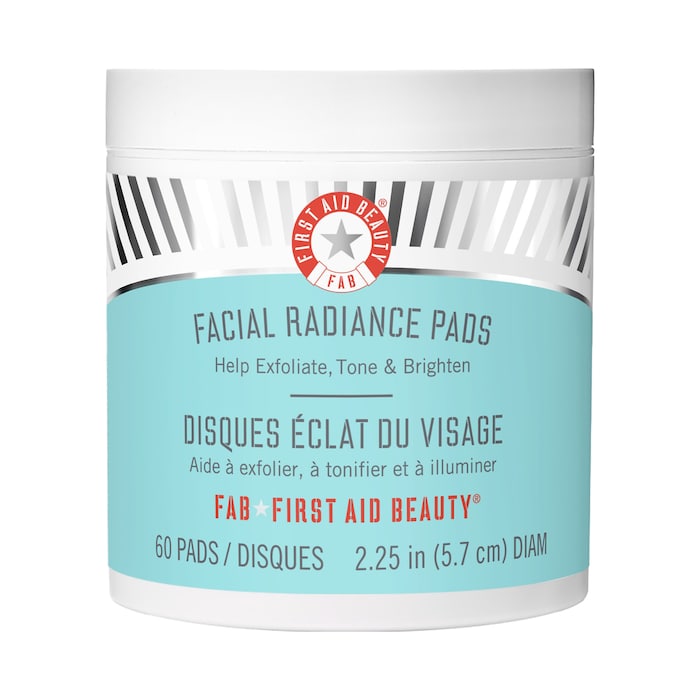
First Aid Beauty Facial Radiance Pads
$27.30 USD Amazon listing
60 pads · Amazon limited-time deal shown in screenshot
Dermalogica Daily Milkfoliant: For a Rinse-Off Powder
Dermalogica uses papain, oat, and coconut-derived ingredients in a water-activated powder that is rinsed away. Unlike leave-on acids, it changes how you apply and remove your exfoliator. The brand also acknowledges that botanical extracts and essential oils may create a natural scent. Source: Dermalogica If you’re shopping for a powder face wash instead, our water-free skincare guide explains how to distinguish a powder cleanser from a rinse-off exfoliant.
Consider it if rinsing off is your preference. Check the ingredient list if fragrant botanicals have caused reactions before.
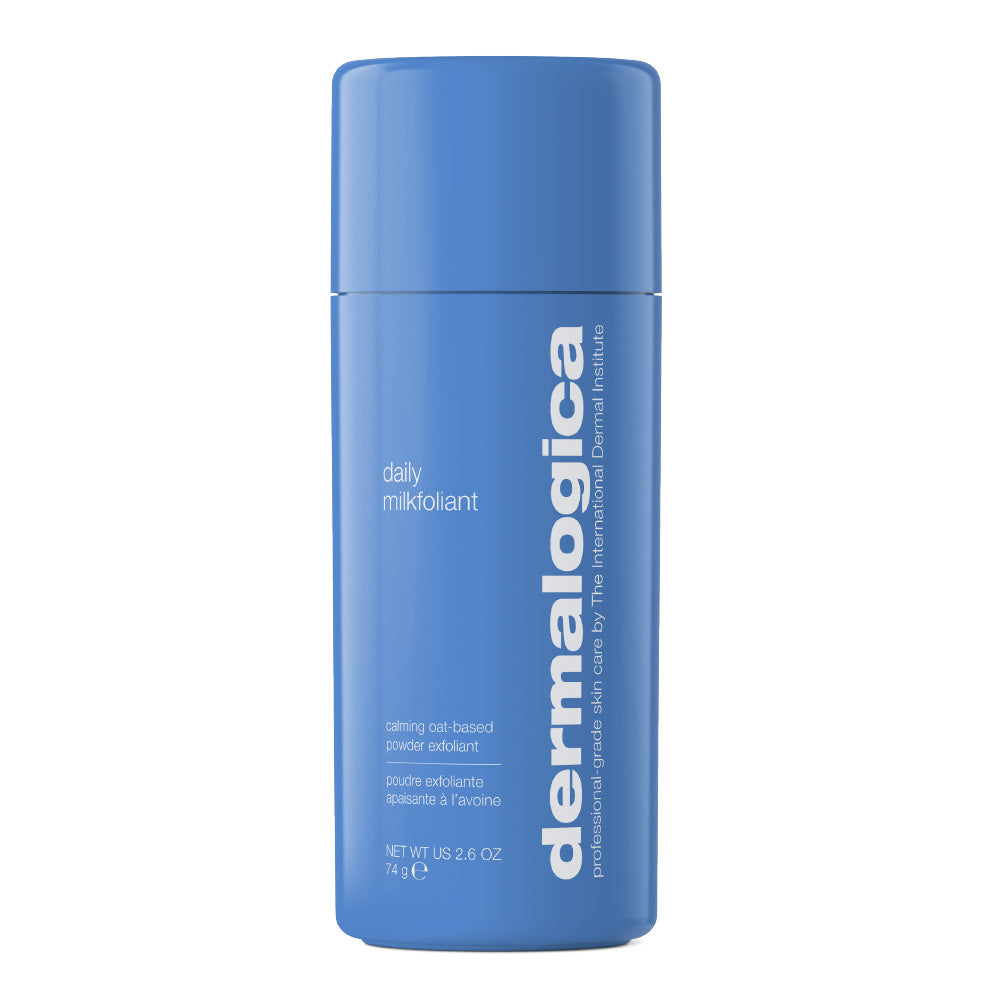
Dermalogica Daily Milkfoliant
$19.50 USD Amazon listing
0.45 oz / 13 g (travel size) · Amazon screenshot price; product photo may show full-size packaging
YISE Beauty Your Favorite Ex: For Premium AHA/PHA Pads
YISE’s pads combine glycolic acid, gluconolactone (PHA), and ectoin. They also list fragrance and lemon peel oil. For sensitive skin, the brand suggests starting two or three times weekly and says not to follow evening application with a retinol product. Source: YISE Beauty
Consider them if you specifically want this premium pad formula. Skip or reconsider if fragrance is a concern. The official page lists the 45-pad jar at $75 but currently shows a waitlist/out-of-stock option. Source: YISE Beauty
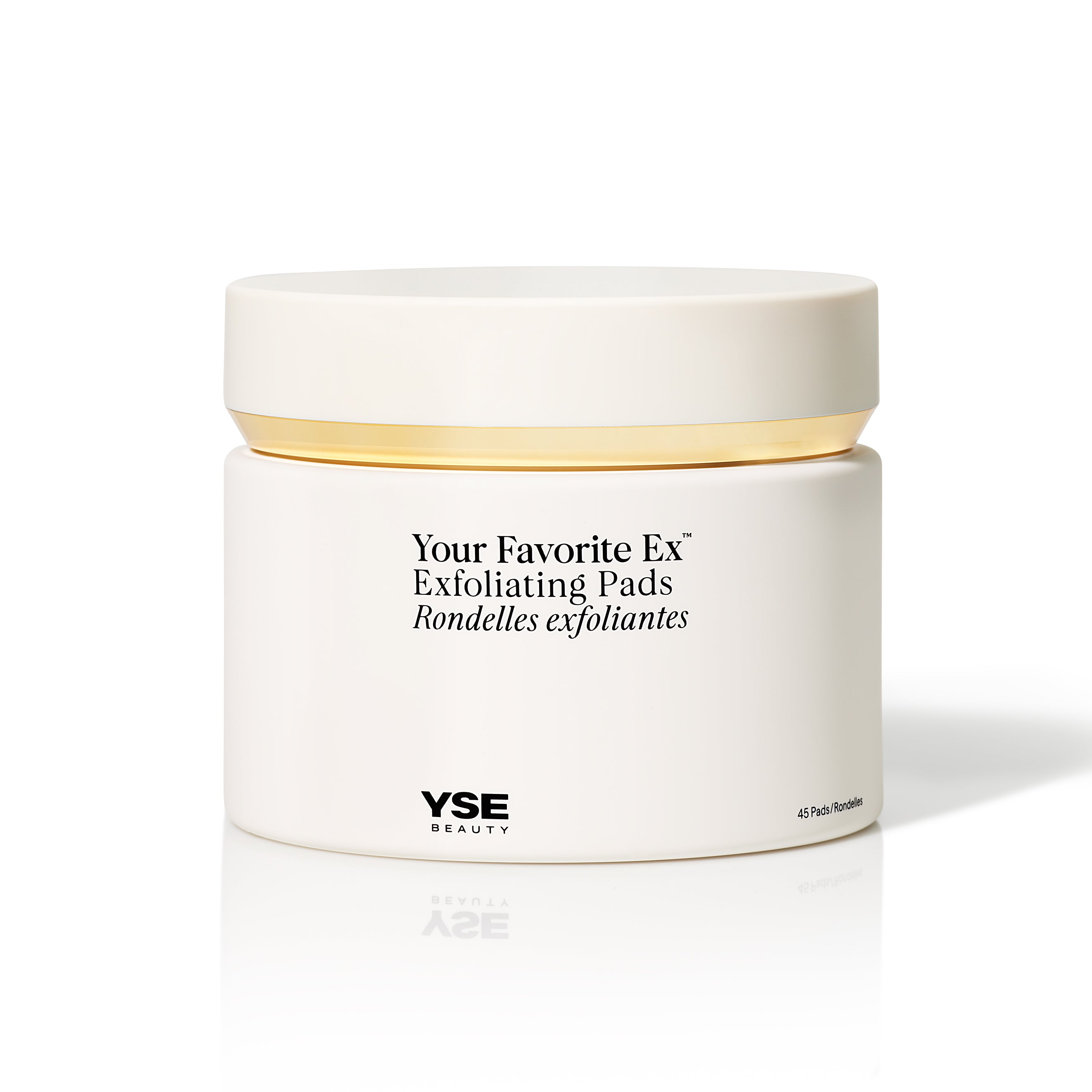
YISE Beauty Your Favorite Ex Exfoliating Pads
$75.00 USDPrice source
Currently listed out of stock; check availability. 45 pads with jar
If the YISE exfoliating pads are on your shortlist, our YISE Beauty review examines the brand’s pricing, product range and customer concerns beyond this ingredient-level comparison.
Is Paying More Actually Worth It?

Format and formula are clearer differences than a universal ranking. The Ordinary is a leave-on serum; INKEY uses a toner; First Aid Beauty and YISE offer prepared pads; Dermalogica is rinse-off. Their official ingredient lists also differ. The Ordinary · INKEY · First Aid Beauty · Dermalogica · YISE
Before paying extra for a premium option, ask whether its format or particular ingredients solve a problem the simpler alternative doesn’t. Higher price alone is not evidence of better suitability.
Already Using Retinol or Tretinoin?

This is where the purchase decision changes. The AAD warns that exfoliating while using retinol or prescription retinoids can worsen dryness and irritation. If your skin is flaking because of an existing treatment, adding exfoliating pads may be unnecessary. Source: AAD
Check whether your current routine is comfortable before adding another active. For prescription tretinoin, seek individualized advice from your dermatologist rather than adopting someone else’s exfoliation schedule.
How Often Should You Exfoliate Mature Skin?

There is no universal daily or weekly schedule. The AAD recommends adjusting frequency to skin type and exfoliation method, applying gently, and moisturizing afterward. Don’t exfoliate sunburned or wounded skin. Stop if irritation appears. Source: AAD
The FDA also warns that AHAs may increase sun sensitivity; use sunscreen, protective clothing, and limit sun exposure during use and for a week afterward. Source: FDA
Final Decision: Which Option Makes Sense for You?
Shortlist by format: serum (The Ordinary), PHA toner (INKEY), ready-to-use pads (First Aid Beauty), rinse-off powder (Dermalogica), premium AHA/PHA pads (YISE, if available and tolerated).
If skin is irritated, do not force a purchase. Address dryness first or seek professional guidance. Otherwise, review the linked formulas and precautions before introducing one option cautiously.
Editorial disclosure: This comparison uses published formulas and manufacturer directions, not personal testing. Prices, ingredients, and availability may change. Product cards and Shop Product buttons contain affiliate links; PromoLatte may earn commissions from qualifying purchases. This guide is educational, not personalized medical advice.
 ✓