
Hyper-Layering in 2026: How to Master Layers + Cape Outfits (Runway-to-Street)
Hyper-layering is trending in 2026 because it solves real weather problems and still looks stylish. In many parts of the United States, spring feels unpredictable. You might wake up to 40°F (4°C), hit 60°F (16°C) in the afternoon, and feel strong wind at night. Layers help you stay comfortable all day.
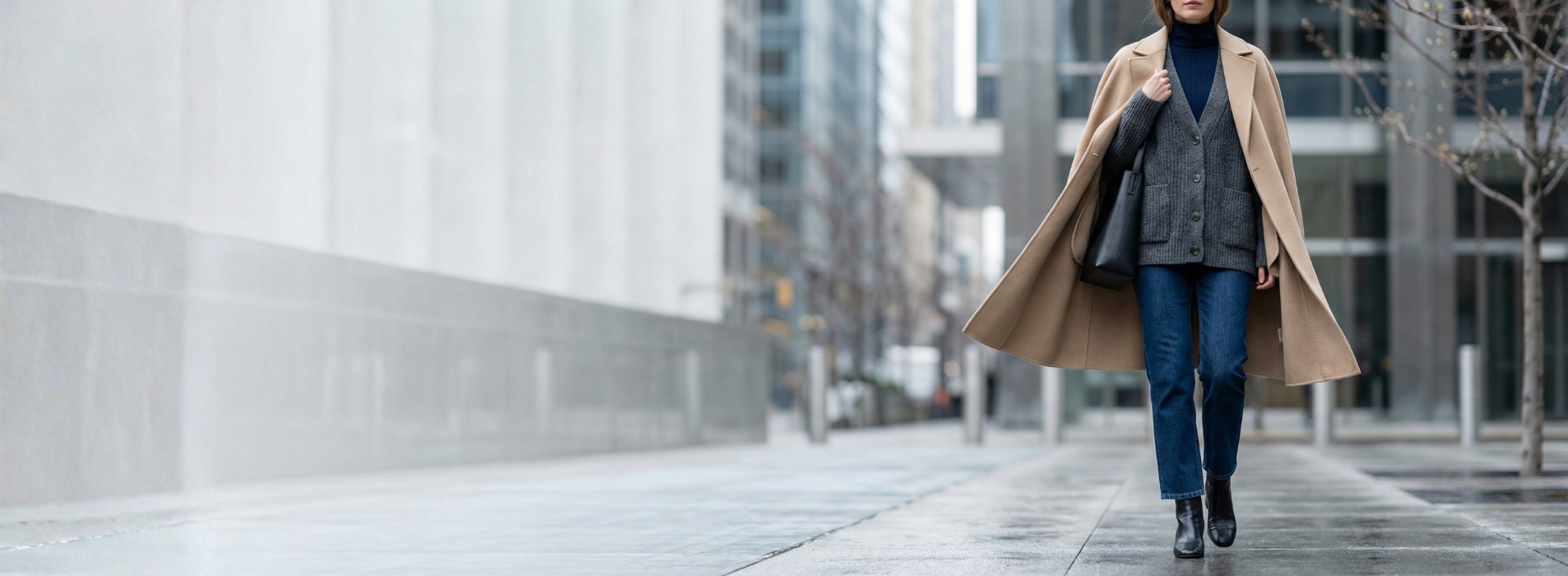
The cape trend 2026 is also back. A cape (or a structured cape coat) gives your outfit a strong shape. It makes layering easy, and you do not need expensive new clothes.
Keywords used naturally: layering outfits 2026, cape trend 2026, how to layer clothes stylishly, how to wear a cape, spring layering outfits, transitional outfits, what to wear in 50 degree weather.
Table of Contents
- What Hyper-Layering Means in 2026
- Why It Works for U.S. Winter-to-Spring Weather
- 5 Rules to Layer Without Looking Bulky
- Layering Checklist (Quick Guide)
- 10 Easy Layering Outfit Formulas (with Weather Notes)
- Cape Outfits 2026: 7 Easy Ways to Wear a Cape
- Do’s & Don’ts
- What to Buy vs What You Already Own
- Weather-Based Layering Guide
- FAQs
- Conclusion
What Hyper-Layering Means in 2026
Hyper-layering means you wear multiple layers on purpose. You make the outfit look clean and planned, not messy.
In 2026, hyper-layering focuses on:
- Visible layers (you can see collars, hems, and cuffs)
- Mixed textures (knit + cotton + denim + leather)
- Good balance (a slim base layer with controlled volume on top)
Capes work well because they sit on top of layers without flattening them. They also make a simple outfit look more stylish.
Why It Works for U.S. Winter-to-Spring Weather
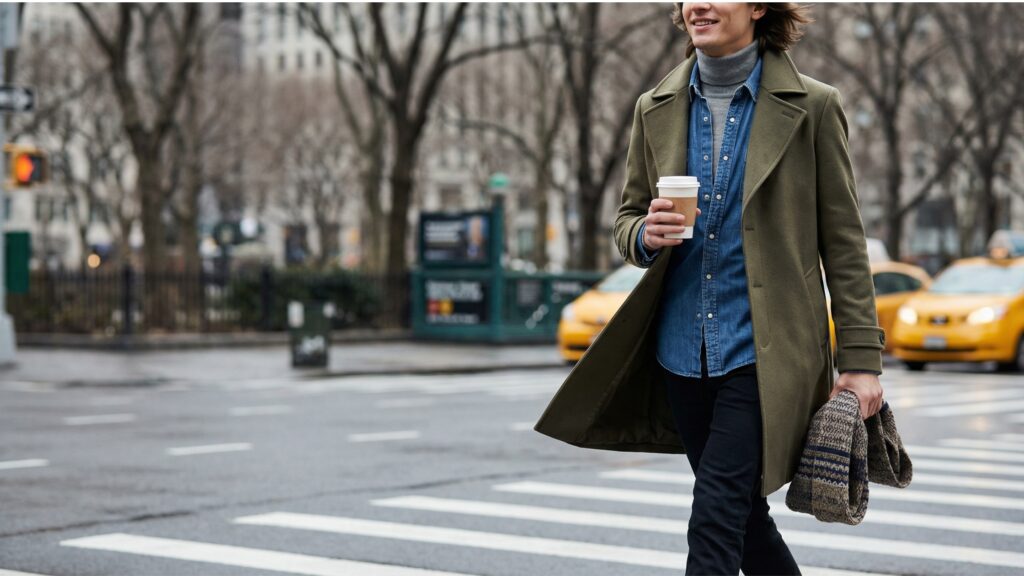
Hyper-layering works because it matches real U.S. spring weather.
It helps you handle:
- Changing temperatures: cold morning, warmer afternoon, windy night
- Commutes: you remove one layer and still look put together
- Indoor heating and strong AC: offices and stores often feel warmer or colder than outside
- Better outfits without spending more: layers add depth and structure
- More ways to wear the same basics: you restyle what you already own
If you search “what to wear in 50 degree weather,” layering gives you the answer.
5 Rules to Layer Without Looking Bulky
Rule 1: Start with a fitted base layer
Pick a thin layer that stays close to your body:
- fitted turtleneck, thermal tee, ribbed long-sleeve, fitted tank
A fitted base keeps your outfit from looking puffy.
Rule 2: Use your mid layer for texture
Add one layer that brings warmth and texture:
- cardigan, knit sweater, flannel, sweater vest, light hoodie
Texture makes simple colors look richer.
Rule 3: Finish with a structured outer layer
Add shape and protection:
- trench, wool coat, blazer, leather jacket, structured cape coat
Structure makes your outfit look clean and intentional.
Rule 4: Choose one statement piece
Pick only one:
- cape or bold scarf or standout coat
Too many bold items look messy.
Rule 5: Balance your proportions
Avoid baggy on top and baggy on the bottom.
- If your top layers look oversized, wear straight or slim bottoms.
- If you wear wide-leg bottoms, keep your top more structured.
Layering Checklist (Quick Guide)
Use this checklist before you leave:
- Your base layer fits well (no bunching)
- Your mid layer adds texture (knit/flannel/vest)
- Your outer layer adds structure (coat/trench/cape)
- You can remove one layer and still look good
- You wear 2-3 colors max
- You show at least two edges (collar + hem, or cuff + hem)
- Your shoes match the plan (boots for cold, sneakers for casual, loafers for office)
10 Easy Layering Outfit Formulas (Copy and Use)
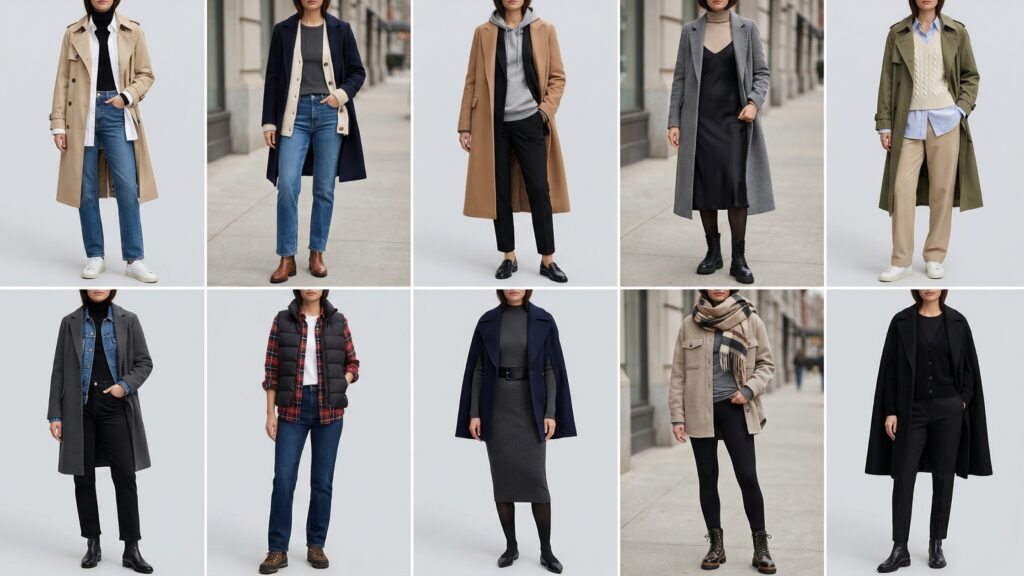
1) Fitted turtleneck + oversized shirt + trench + sneakers
Why it works: slim base + relaxed middle + structured top.
Best for: 45–60°F (7–16°C)
2) Thermal tee + cardigan + wool coat + straight jeans
Why it works: warm but not bulky.
Best for: 35–50°F (2–10°C)
3) Hoodie + blazer + long coat (smart-casual)
Why it works: comfort plus structure.
Best for: 40–55°F (4–13°C)
Avoid: thick hoodie + thick coat together
4) Slip dress + thin knit + long coat (spring evenings)
Why it works: smooth base with warmth on top.
Best for: 45–58°F (7–14°C)
5) Button-down shirt + sweater vest + trench (clean look)
Why it works: sharp layers without heavy bulk.
Best for: 50–65°F (10–18°C)
6) Turtleneck + denim jacket + coat
Why it works: denim adds texture, coat adds shape.
Best for: 38–52°F (3–11°C)
7) Tee + flannel + puffer vest + straight jeans
Why it works: cozy and easy to move in.
Best for: 40–60°F (4–16°C)
8) Knit dress + belt + structured cape coat
Why it works: belt adds shape, cape adds style.
Best for: 45–62°F (7–17°C)
9) Base layer + shacket + scarf
Why it works: the jacket works as a strong mid-to-top layer.
Best for: 42–58°F (6–14°C)
10) Monochrome layers + cape
Why it works: one color family looks expensive fast.
Best for: 40–60°F (4–16°C)
Pro tip: If you get warm, remove the outer layer. Your base and mid layers should still look complete.
Cape Outfits 2026: 7 Easy Ways to Wear a Cape
Many people avoid capes because they feel “too dramatic.” Keep your base outfit simple and let the cape stand out.
1) Cape + jeans + ankle boots
Wear straight jeans and a fitted top.
2) Cape over a blazer
A blazer adds structure, so the look feels office-friendly.
3) Cape + knit dress
A knit dress keeps the shape smooth. Add heeled boots if you want polish.
4) Use the belt trick
Belt your outfit under the cape, or lightly belt a structured cape coat.
5) Wear a crossbody bag under the cape
This keeps the cape in place and feels practical.
6) Try a monochrome base
Wear all black, all beige, or all navy. Add a cape in the same color family.
7) Cape + slim-straight pants + sleek shoes
If the cape looks wide, keep the bottom clean and simple.
U.S. tip: Choose a structured cape coat for errands and commuting. Very flowy capes can feel annoying on windy days.
Do’s & Don’ts
Do’s
- Use 2–3 colors max
- Mix textures (knit + denim + wool)
- Wear straight/slim bottoms if the top looks heavy
- Show at least two visible edges (collar/cuff/hem)
- Pick layers you can remove easily
Don’ts
- Wear too many bulky layers
- Wear a cape with a huge backpack (it slips and looks bulky)
- Wear long cape + long skirt with no waist shape
- Wear baggy top + baggy bottom without structure (belt or blazer)
What to Buy vs What You Already Own
You do not need expensive clothes. Start with basics.
Use these closet staples first
- fitted turtleneck or thermal tee
- cardigan or light knit
- button-down shirt
- blazer
- trench coat or wool coat
- straight-leg jeans or tailored pants
- neutral scarf
- ankle boots or clean sneakers
Try these cape alternatives
- poncho
- structured cape coat (easy for beginners)
- wrap or shawl
- oversized scarf worn like a small cape
Smart budget tips
- Buy neutral basics (black, beige, navy, gray)
- Thrift coats, blazers, and scarves
- Invest in one strong outer layer and repeat it often
Want to save money while building these basics? You can also check our latest discounts from fashion stores
Weather-Based Layering Guide
Rainy days
- wear a water-resistant trench or raincoat
- keep layers thin (thick knits stay damp)
- wear closed-toe shoes or boots
Windy days
- add a scarf or high-neck top
- wear a structured outer layer
- avoid very light, flowy capes
Sunny but cold mornings
- wear a removable mid layer (cardigan, vest, light hoodie)
add sunglasses and a trench
Commute and travel days
- carry a mid layer you can fold easily
- wear a crossbody under your outer layer
- choose shoes you can walk in
FAQs
1) How do I hyper-layer without looking bulky?
Start with a fitted base, use one textured mid layer, and finish with a structured outer layer.
2) What shoes work best with a cape?
Ankle boots are easiest. Sneakers work for casual. Loafers or pointed boots work for office outfits.
3) Can petite people wear capes?
Yes. Pick shorter cape styles and keep the base outfit slim.
4) What fabrics work best for spring layering?
Thin knits, cotton rib, lightweight wool, modal blends, and breathable shirts.
5) Can I wear a cape to the office?
Yes. Wear a blazer and pants under it, and choose a neutral cape coat.
6) What is the easiest layering formula for beginners?
Fitted tee + button-down shirt + trench + straight jeans.
7) What temperature is best for hyper-layering?
Hyper-layering works best around 40–60°F (4–16°C).
8) Can I wear a cape with a backpack?
You can, but it often slips. A crossbody under the cape works better.
Conclusion
Hyper-layering works in 2026 because it helps you handle unpredictable weather while still looking polished. Start with this formula: fitted base + textured mid layer + structured outer layer. Then copy one outfit idea from the list above.
For the cape trend 2026, keep your base outfit simple and let the cape be the main statement.