
Quick Answer
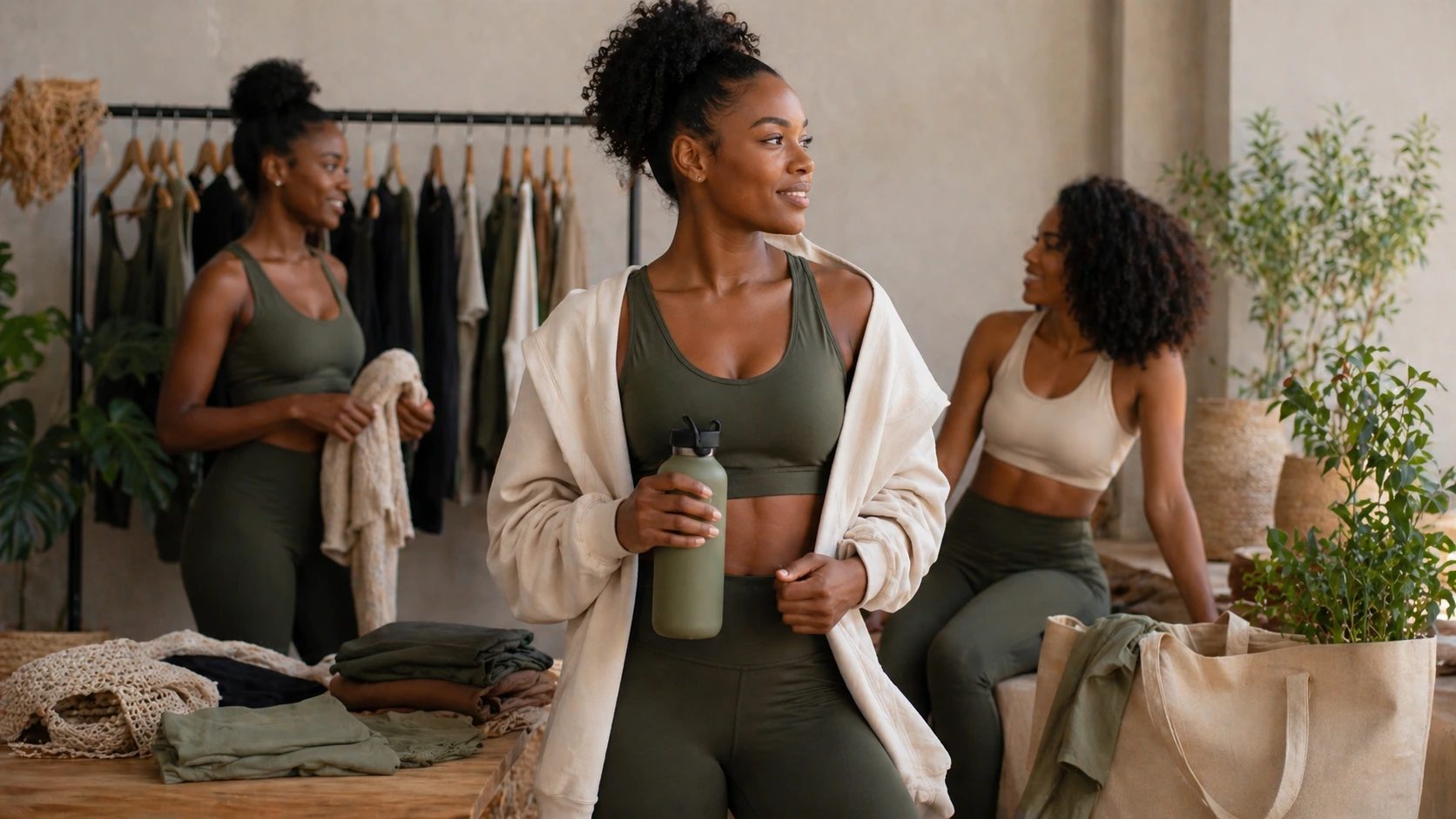
The best athleisure brands with purpose combine comfortable performance clothing with clear values such as sustainability, ethical sourcing, body inclusivity, durable design, community impact, and responsible materials. People are switching because purpose-driven athleisure feels better emotionally and often performs better in daily life.
TL;DR
- Sustainable athleisure brands are growing because buyers want clothing that matches their values.
- Ethical athleisure brands focus on better labor practices, responsible production, and transparency.
- The best athleisure brands in 2026 balance comfort, style, performance, durability, and purpose.
- Lululemon alternatives are popular among shoppers looking for fresh design, better pricing, or stronger sustainability stories.
- Purpose-driven fashion brands win when their values are visible in materials, sizing, pricing, packaging, and community work.
- Smart shoppers should check fabric, certifications, return policy, brand claims, and real-world wear quality before buying.
Table of Contents
What Does “Athleisure Brands With Purpose” Actually Mean?
Athleisure brands with purpose are activewear and lifestyle clothing brands that sell more than comfort. They connect their products to a larger mission: sustainability, ethical production, inclusive sizing, women’s empowerment, circular fashion, recycled materials, community support, fairer supply chains, or long-lasting wardrobe value.
Traditional athleisure was mostly about looking polished while feeling comfortable. Purpose-driven athleisure adds another layer: the brand should stand for something buyers can believe in. This is why shoppers now search for terms like sustainable athleisure brands, ethical activewear brands, eco friendly workout clothes, and activewear brands with values.
On PromoLatte’s fashion section, this topic sits between style, lifestyle, shopping behavior, and conscious consumer choices. The question is no longer only “Does this outfit look good?” The better question is “Does this brand match how I want to live, shop, move, and present myself?”
Example
A basic leggings brand may offer stretch fabric and trendy colors. A purpose-driven leggings brand may also use recycled nylon, publish supply chain details, offer inclusive sizing, reduce packaging waste, and design leggings that survive repeated washing.
Real-World Use
If you wear leggings three times a week for errands, work-from-home days, travel, gym sessions, or school runs, choosing better-made sustainable leggings brands can reduce replacement purchases and make your wardrobe feel more intentional.
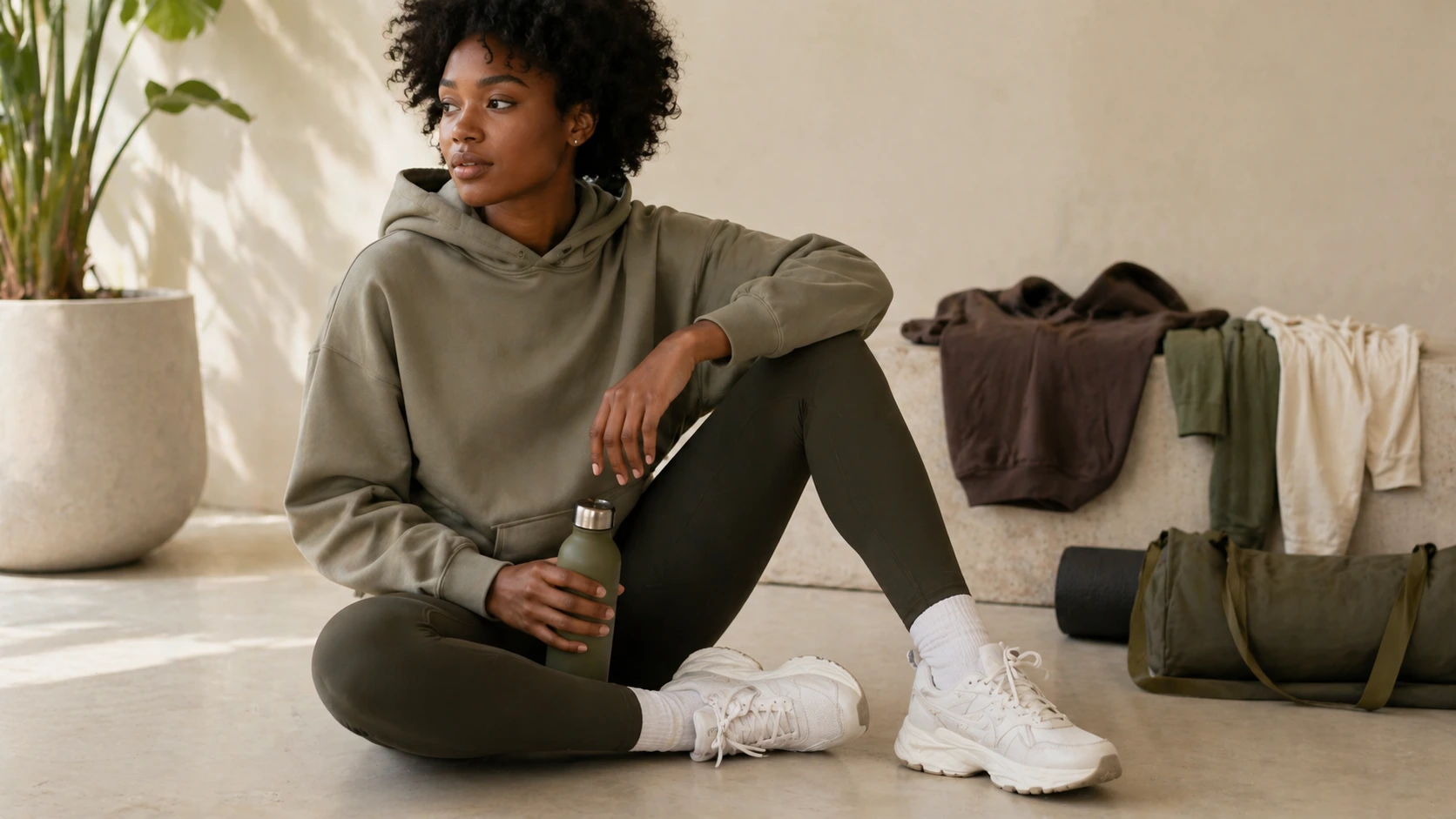
Purpose-Driven Athleisure Flatlay
Why People Are Switching to Sustainable Athleisure Brands
People are switching to sustainable athleisure brands because fashion buyers are becoming more aware of overproduction, textile waste, plastic-based fabrics, labor concerns, and greenwashing. Athleisure is worn often, washed often, and replaced often, so shoppers are paying closer attention to quality and values.
The Ellen MacArthur Foundation explains that circular fashion focuses on products being used more, made to be made again, and designed with reduced waste in mind. That idea directly applies to athleisure because leggings, tops, joggers, shorts, and hoodies should ideally last through real movement and repeated washing. Source: Ellen MacArthur Foundation [1].
European Parliament research also highlights that textile production uses significant water, land, and raw materials, while discarded clothing contributes to waste. This is one reason more shoppers are exploring eco friendly athleisure and conscious activewear brands. Source: European Parliament [2].
Example
A buyer who once purchased cheap leggings every few months may switch to a brand using recycled materials, stronger seams, and better opacity because the product lasts longer and feels more aligned with their values.
Real-World Use
This matters for people who live in athleisure daily. If your wardrobe is mostly leggings, sweatshirts, joggers, sports bras, and sneakers, the impact of each purchase adds up quickly.
What the Best Athleisure Brands With Purpose Have in Common
The best athleisure brands with purpose do not rely only on emotional branding. They prove their values through product design, material choices, transparency, and customer experience.
Better Materials
Look for recycled nylon, organic cotton, TENCEL, responsibly sourced wool, or durable fabric blends.
Ethical Production
Strong brands explain where products are made and how workers are treated.
Inclusive Fit
Purpose also means designing for more bodies, not only one narrow body type.
Durability
The most sustainable item is often the one you wear longer and replace less often.
Example
A premium athleisure brand may cost more, but if its leggings stay opaque, the waistband does not roll, and the seams do not fray, the real value becomes clearer after months of wear.
Real-World Use
For shoppers comparing cheap vs premium athleisure, the better purchase is not always the most expensive one. It is the one that gives the strongest mix of comfort, construction, values, and cost per wear.
Sustainable Athleisure Brands: What to Look For
Sustainable athleisure brands focus on reducing environmental harm through better fabrics, lower-impact production, less waste, recyclable packaging, repair programs, resale models, or circular design. This does not mean every product is perfect. It means the brand is actively reducing harm and being transparent about progress.
1. Recycled and Lower-Impact Materials
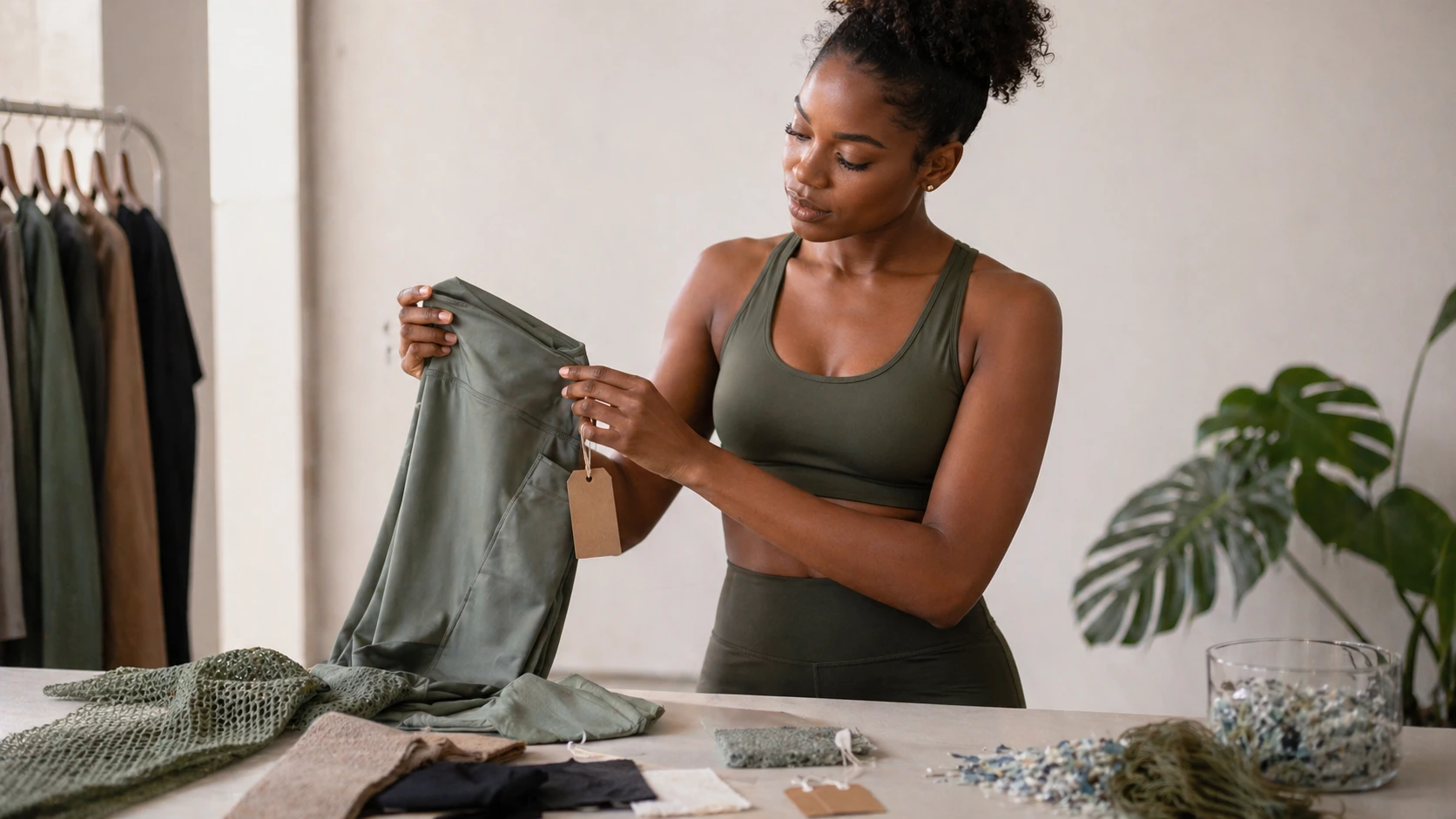
Many sustainable activewear brands use recycled polyester or recycled nylon because performance clothing often needs stretch, moisture control, and durability. Other brands use organic cotton for hoodies, sweatshirts, joggers, and tees.
Example: Recycled nylon leggings can offer performance stretch while reducing dependence on virgin synthetic materials.
Real-world use: Choose recycled performance fabrics for workouts and organic cotton blends for lounging, travel, and everyday casual outfits.
2. Long-Lasting Construction
Sustainability is not only about fabric labels. If a product falls apart after five washes, it is not truly sustainable. Durable seams, strong waistbands, reinforced pockets, and shape retention all matter.
Example: A pair of sustainable leggings should stay opaque during squats, resist pilling, and recover after stretching.
Real-world use: If you are buying best sustainable workout clothes, read reviews that mention washing, sweating, stretching, and long-term fit.
3. Clear Sustainability Claims
Good brands explain what percentage of a material is recycled, what certifications they use, and where the product is made. Weak brands use vague phrases like “green,” “earth-friendly,” or “conscious” without proof.
Example: A clear claim says “made with 78% recycled polyester.” A weak claim says “inspired by nature.”
Real-world use: Before buying eco friendly workout clothes, check product pages, care labels, sustainability reports, and third-party certifications.
Sustainable Activewear Materials
Ethical Athleisure Brands Worth Buying in 2026
Ethical athleisure brands focus on people as much as product. They care about fair wages, safer factories, responsible sourcing, supplier transparency, and honest marketing. In 2026, ethical activewear brands are especially important because shoppers are more aware of how quickly trend-based fashion can create waste and labor pressure.
1. Transparent Supply Chains
A brand does not need to reveal every supplier detail publicly, but it should give shoppers enough information to trust its production standards.
Example: A brand that shares factory locations, audit practices, or supplier standards is usually more credible than one that only says “ethically made.”
Real-world use: If you are shopping for premium athleisure brands, compare the “About,” “Sustainability,” and “Factories” pages before comparing colors.
2. Responsible Pricing
Ethical production often costs more because workers, materials, and quality controls cost more. However, high price alone does not prove ethics. Some brands charge premium prices mainly because of hype.
Example: A $120 pair of leggings is more convincing when the brand explains fabric source, fit testing, production standards, and return support.
Real-world use: For affordable sustainable activewear, look for sale sections, capsule collections, outlet pages, and fewer but better basics.
3. Inclusive Brand Values
Purpose-driven fashion brands often serve communities that mainstream fashion ignored. This can include extended sizing, adaptive features, maternity-friendly fits, modest activewear, or culturally aware design.
Example: A women-focused athleisure brand may design leggings that work for different body shapes instead of forcing every shopper into one fit standard.
Real-world use: If you need the best activewear brands for women, check whether the brand shows different body types in real products, not only campaign images.
Athleisure Brands Like Lululemon: Why Shoppers Want Alternatives
Lululemon helped define premium activewear, but many shoppers now search for Lululemon alternatives because they want different pricing, different fits, stronger sustainability claims, more inclusive sizing, or a brand identity that feels more personal.
McKinsey’s sporting goods analysis shows that the sportswear and active lifestyle market remains highly competitive, with brands fighting for loyalty through innovation, community, and differentiated value. Source: McKinsey Sporting Goods Trends [3].
1. Better Value Alternatives
Some buyers want leggings, sports bras, and workout tops with similar comfort but lower prices.
Example: A mid-priced activewear brand may offer soft fabric, squat-proof leggings, and simple colors without luxury pricing.
Real-world use: Choose this route if you want everyday gym-to-street outfits without paying top-tier prices.
2. More Sustainable Alternatives
Other buyers are willing to pay more if the brand uses recycled materials, publishes impact goals, or supports circular fashion.
Example: A sustainable leggings brand may use recycled nylon and offer take-back or resale options.
Real-world use: Choose this route if your priority is eco friendly athleisure over trend-based shopping.
3. More Identity-Driven Alternatives
Some shoppers want activewear brands with values that reflect culture, community, wellness, empowerment, or representation.
Example: A smaller purpose-driven fashion brand may connect its collections to women’s health, local production, or community storytelling.
Real-world use: Choose this route if you want clothing that feels personal, not just popular.
Best Athleisure Brands 2026: The Purpose-Driven Buying Framework
Instead of naming one universal winner, use this framework to identify the best athleisure brands in 2026 for your lifestyle. The right brand depends on your body, budget, values, and how often you wear activewear.
For Everyday Wear
Look for soft fabrics, neutral colors, strong seams, easy washing, and versatile silhouettes. Everyday athleisure should work for errands, travel, lounging, coffee runs, and casual social plans.
Example: A black legging, oversized sweatshirt, clean white sneaker, and crossbody bag can become a repeatable uniform.
Real-world use: Best eco friendly athleisure brands for everyday wear should feel comfortable enough for home but polished enough for public.
For Workouts
Look for sweat management, compression, stretch recovery, secure waistbands, supportive sports bras, and breathable tops. Performance matters more than aesthetics here.
Example: Running shorts need different fabric than lounge shorts. Yoga leggings need different stretch than weight-training leggings.
Real-world use: If you train three or more times weekly, invest in fewer but better pieces.
For Style and Streetwear
Look for structure, drape, color palette, logo placement, and layering potential. Premium athleisure brands often perform well here because they design clothes to look intentional outside the gym.
Example: Tapered joggers, a heavyweight hoodie, and a fitted tee can look more refined than loose sweatpants and a random sweatshirt.
Real-world use: If you care about outfits, not just exercise, prioritize silhouette and fabric weight.
Comparison Table: Regular Athleisure vs Purpose-Driven Athleisure
Buyer Decision Guide: How to Choose the Best Athleisure Brand With Purpose
Use this checklist before buying from any conscious activewear brand:
- Does the brand clearly explain its purpose?
- Are the materials listed in detail?
- Does the brand use recycled, organic, certified, or lower-impact fabrics?
- Are factory, labor, or supplier standards mentioned?
- Does the product have strong reviews about washing, fit, and durability?
- Is the sizing inclusive and easy to understand?
- Does the return policy reduce buying risk?
- Is the price justified by fabric, construction, ethics, or design?
- Can you wear the piece in multiple settings?
- Will you still like the item after the trend passes?
Common Mistakes When Buying Purpose-Driven Athleisure
1. Believing Every “Sustainable” Claim
Some brands use sustainability language without proof. Look for specific materials, certifications, impact pages, or clear manufacturing details.
2. Ignoring Fit Reviews
A brand can have strong values but still not fit your body well. Always read reviews about waistband roll, compression, length, opacity, and sizing.
3. Buying Too Many Trend Pieces
Purpose-driven fashion works best when you buy fewer, better items. Trend colors and viral cuts may lose appeal quickly.
4. Choosing Price Over Cost Per Wear
Affordable sustainable activewear is useful, but the cheapest option is not always the best value if it wears out quickly.
5. Forgetting Care Instructions
Performance fabrics often need gentle washing, cold water, and air drying. Poor care can ruin stretch and softness faster.
Expert Insight
The best athleisure brands with purpose are not simply the brands with the prettiest sustainability page. The strongest brands make purpose visible in product quality, material decisions, customer experience, durability, and brand accountability.
For shoppers, the winning strategy is simple: buy fewer pieces, choose better fabrics, check real reviews, and support brands whose values are backed by action. For more style and shopping guides, explore PromoLatte’s apparel and clothing section.
Sources & references
- Ellen MacArthur Foundation — Fashion and circular economy overviewOpen source ↗
- European Parliament — Impact of textile production and waste on the environmentOpen source ↗
- McKinsey — Sporting goods industry trendsOpen source ↗
- NielsenIQ — Consumer trends and sustainability-led purchasing contextOpen source ↗
FAQs About the Best Athleisure Brands With Purpose
What are the best athleisure brands with purpose?
The best athleisure brands with purpose are brands that combine comfort, performance, and style with clear values such as sustainability, ethical production, inclusive sizing, transparency, durable design, or community impact.
Why are people switching to sustainable athleisure brands?
People are switching because they want activewear that feels good, lasts longer, reduces waste, uses better materials, and reflects their personal values instead of only following trends.
Are ethical athleisure brands worth buying in 2026?
Yes, ethical athleisure brands are worth buying when they provide transparent sourcing, better labor standards, durable construction, and clear product quality. The best options justify their price through both values and performance.
What should I look for in sustainable activewear brands?
Look for recycled or organic materials, strong stitching, transparent claims, third-party certifications, inclusive sizing, durable fabric, responsible packaging, and reviews that mention long-term wear.
What are good Lululemon alternatives?
Good Lululemon alternatives are brands that offer similar comfort and performance while giving shoppers something different, such as lower pricing, sustainable materials, inclusive sizing, minimalist design, or stronger ethical values.
Is affordable sustainable activewear possible?
Yes. Affordable sustainable activewear is possible, especially through sales, capsule wardrobes, outlet sections, resale platforms, and buying fewer high-use pieces instead of many low-quality trend items.
What are the best sustainable leggings brands?
The best sustainable leggings brands use durable stretch fabrics, recycled or lower-impact materials, strong waistbands, opaque construction, size-inclusive fits, and transparent sustainability claims.
How do I know if an athleisure brand is greenwashing?
A brand may be greenwashing if it uses vague words like “eco,” “green,” or “conscious” without explaining materials, percentages, certifications, factories, impact goals, or measurable sustainability actions.
Conclusion
The best athleisure brands with purpose are winning because shoppers want clothing that does more than look good in a mirror selfie. They want leggings that last, hoodies that feel premium, joggers that hold shape, sports bras that support real movement, and brands that care about people, materials, and impact.
People are switching fast because purpose-driven athleisure fits modern life. It works for workouts, errands, travel, lounging, remote work, and streetwear styling while giving buyers a stronger reason to feel good about the purchase.
Your best move is to choose activewear brands with values that match your lifestyle. Check materials, fit, durability, ethics, sustainability claims, and cost per wear before buying. For more shopping, fashion, and lifestyle guides, visit PromoLatte and explore more from the lifestyle hub.
 ✓
✓