
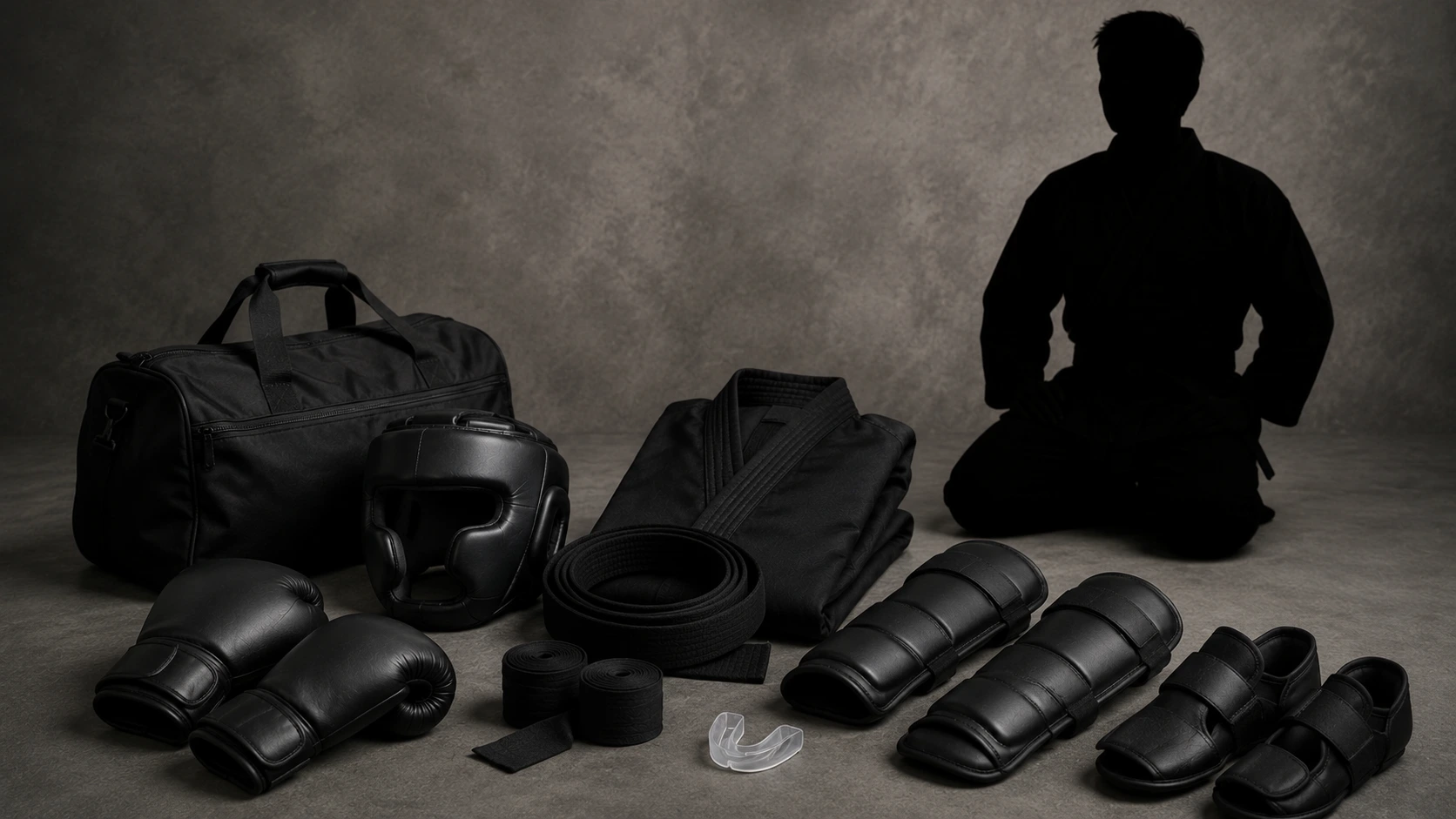

Beginner Martial Arts Guide
Starting martial arts is exciting, but buying the wrong gear can waste money fast. This beginner guide explains the essential martial arts gear for beginners, what each item is used for, and how to choose equipment based on BJJ, MMA, judo, karate, or general combat sports training.
Last Updated: May 7, 2026
Quick Answer
The best martial arts gear for beginners usually includes a proper uniform, belt, rash guard, training gloves, shin guards, mouthguard, groin protection, and a gym bag. The exact beginner martial arts equipment depends on your style: BJJ needs a gi or rash guard, MMA needs gloves and shin guards, judo needs a strong judo gi, and karate usually needs a lightweight uniform and belt.
TL;DR
- Beginners should buy only essential martial arts training gear first, not a full advanced kit.
- Your martial arts uniform depends on the discipline: BJJ gi, judo gi, karate gi, or no-gi rash guard setup.
- Combat sports gear for beginners should prioritize safety, fit, comfort, and durability.
- MMA gear for beginners usually includes gloves, shin guards, mouthguard, shorts, and rash guard.
- BJJ gear for beginners often starts with a gi, belt, rash guard, and mouthguard.
- Ask your coach before buying brand-specific or competition-specific equipment.
Table of Contents
What Is Martial Arts Gear for Beginners?
Martial arts gear for beginners means the basic clothing, protection, and training equipment a new student needs before joining regular classes. It is not about buying every item available. It is about choosing the right essentials for safety, comfort, hygiene, and proper training.
Most beginners make the mistake of buying too much too early. A martial arts starter kit should be simple. You need enough gear to train safely, follow gym rules, and feel comfortable while learning basic movement.
This topic fits naturally inside active lifestyle and fitness-focused shopping. For more lifestyle buying guides, you can explore PromoLatte’s lifestyle section and the broader fashion and apparel guides.
Example
A new BJJ student may only need a gi, belt, rash guard, mouthguard, and water bottle. A new MMA student may need gloves, shin guards, rash guard, shorts, and mouthguard.
Real-World Use
If you are attending your first martial arts class, ask the academy what is required for beginners. Some gyms allow trial classes in basic athletic clothing before asking you to buy official gear.
Beginner Martial Arts Gear Flatlay
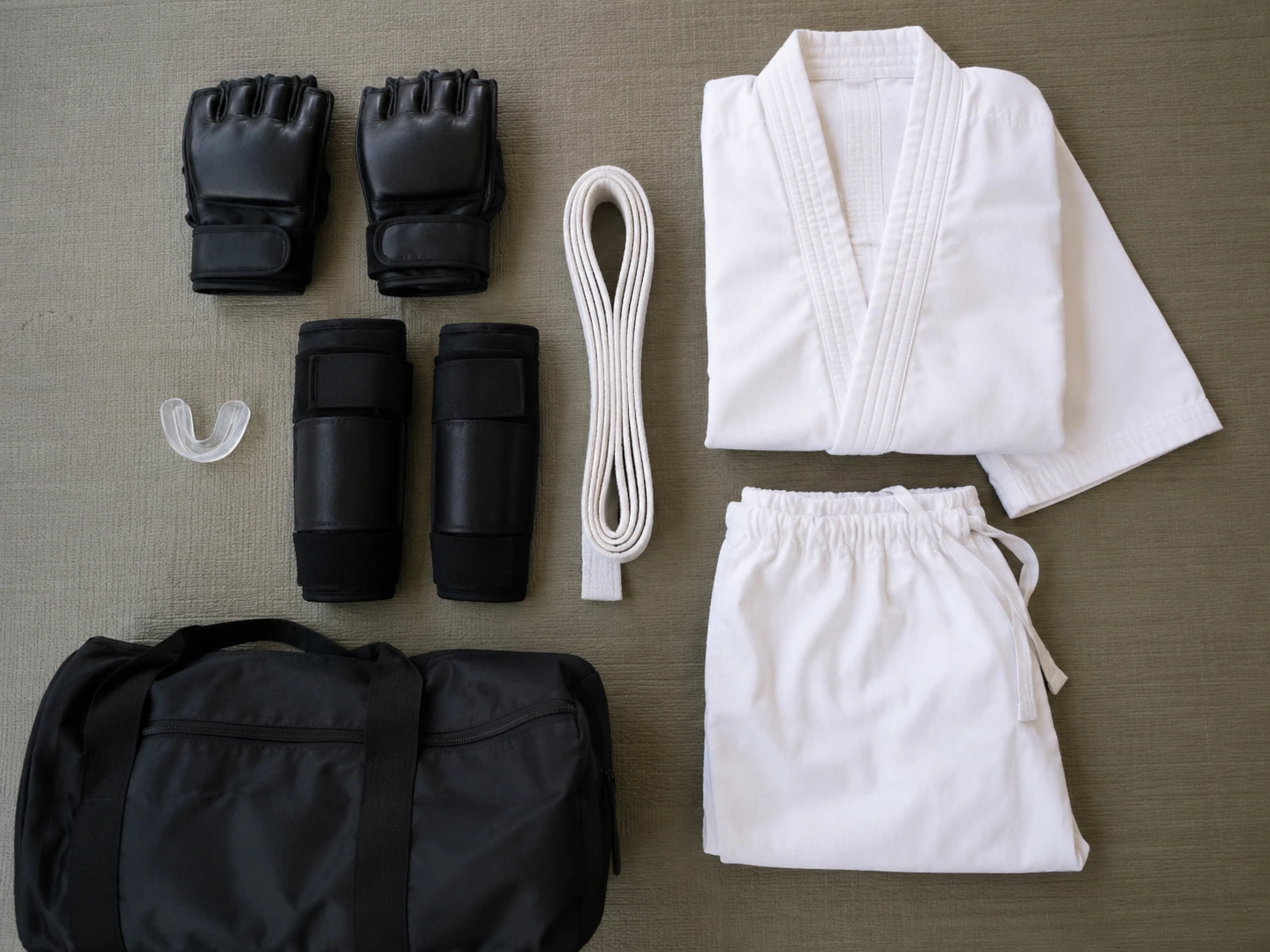
Beginner Martial Arts Starter Kit: What You Actually Need
A beginner martial arts starter kit should cover three basic needs: clothing, protection, and training convenience. You do not need advanced sparring gear on day one unless your coach specifically asks for it.
1. Martial Arts Uniform
A martial arts uniform is one of the first items many students buy. The type depends on the discipline. BJJ uniforms are usually thicker and built for gripping. Judo uniforms are very durable because judo involves throws and heavy pulling. Karate uniforms are usually lighter and designed for striking movement.
Example: A karate beginner should not buy a heavy judo gi because it may feel bulky and restrict movement.
Real-world use: Wear the uniform your academy recommends so you can move properly and meet class standards.
2. Belt
Martial arts belts show rank and progression. Most beginners start with a white belt. In many schools, the belt comes with the uniform, but some academies require a specific belt color or size.
Example: A beginner in BJJ, judo, or karate will usually start with a white belt until promoted by the instructor.
Real-world use: Do not buy higher belt colors for style. Belts are earned through training and testing.
3. Rash Guard
Rash guards are fitted athletic tops used in BJJ, MMA, grappling, and no-gi training. They help reduce skin friction, absorb sweat, and create a cleaner barrier between you and the mat.
Example: In no-gi BJJ, a rash guard is usually more practical than a loose cotton shirt because it stays close to the body during grappling.
Real-world use: Choose a breathable rash guard with flat seams so it does not irritate your skin during rolling or drilling.
4. Mouthguard
A mouthguard is one of the most important pieces of combat sports gear for beginners. Even light sparring or accidental contact can cause dental injuries.
Example: During MMA, boxing, kickboxing, BJJ, or judo, a mouthguard can help protect your teeth and reduce impact risk.
Real-world use: Use a properly fitted mouthguard, not a loose one that falls out when you breathe or talk.
Martial Arts Uniforms: Gi, No-Gi, and Training Clothes
Your uniform is not just clothing. It affects movement, grip, safety, and how well you can perform techniques. The best martial arts gear for beginners starts with the correct uniform for the discipline.
BJJ Gi
Thick, reinforced, and built for gripping during Brazilian Jiu Jitsu training.
Judo Gi
Heavy-duty uniform designed for throwing, gripping, and intense pulling.
Karate Gi
Lightweight or medium-weight uniform designed for striking and kata movement.
No-Gi Clothing
Rash guard, grappling shorts, and spats for no-gi BJJ, MMA, or submission grappling.
Example
A beginner who joins a BJJ academy may need both a gi for traditional classes and a rash guard with shorts for no-gi sessions.
Real-World Use
Before purchasing, check whether your gym requires a specific uniform color. Many academies prefer white, black, or blue gis, while some karate schools require a plain white uniform.
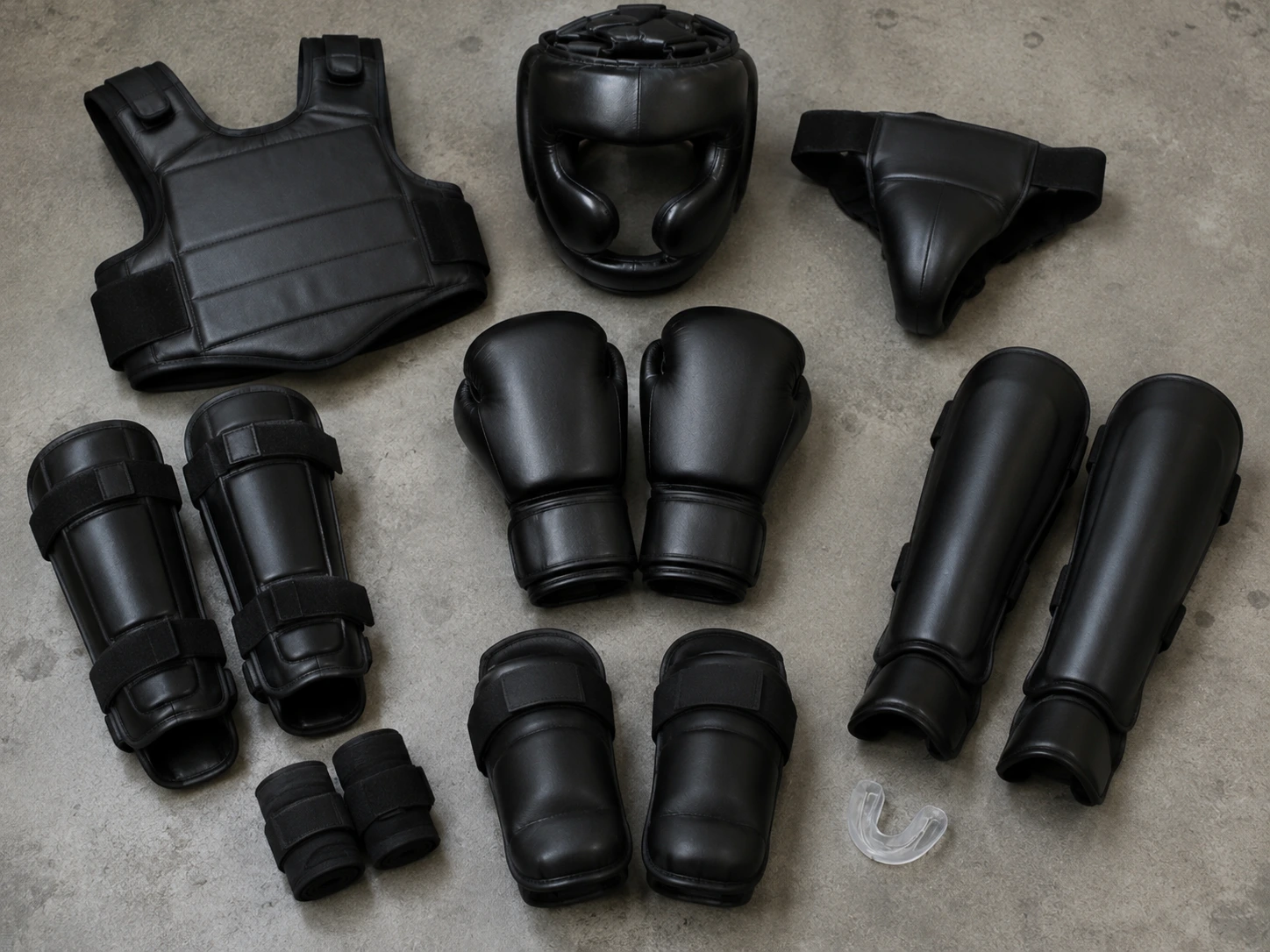
Protective Martial Arts Training Gear for Beginners
Protective gear helps beginners train with confidence. It does not make training risk-free, but it reduces common impact, friction, and contact-related issues. Mayo Clinic fitness guidance emphasizes starting safely, using proper preparation, and reducing injury risk during physical activity. Source: Mayo Clinic.
Training Gloves
Training gloves are used for boxing, kickboxing, Muay Thai, and MMA striking. Beginners should choose gloves based on training type. Boxing gloves are larger and padded. MMA gloves are smaller and allow gripping.
Example: Do not use MMA gloves for heavy bag work unless your coach recommends it. Boxing gloves usually offer more padding for beginners.
Real-world use: Use hand wraps under gloves to support wrists and knuckles during striking classes.
Shin Guards
Shin guards protect your shins and your training partner during kickboxing, Muay Thai, MMA, and some karate sparring classes.
Example: A beginner learning low kicks should wear shin guards during partner drills to reduce bruising and impact.
Real-world use: Choose shin guards that stay secure and do not rotate around your leg during movement.
Groin Protection
Groin protection is especially important in striking, MMA, and sparring-heavy classes. Even accidental contact can be painful and disruptive.
Example: During beginner MMA drills, knees, kicks, and scrambles can cause accidental contact.
Real-world use: Wear groin protection that fits securely under shorts without limiting movement.
Headgear
Headgear may be used in some sparring environments, but it is not always required for beginners. Your coach should guide when it is appropriate.
Example: A boxing beginner may use headgear during controlled sparring, but not during regular bag work.
Real-world use: Do not rush into sparring gear before you understand your gym’s training structure.
Protective Combat Sports Gear
BJJ Gear for Beginners
BJJ gear for beginners depends on whether you are training gi, no-gi, or both. Brazilian Jiu Jitsu involves close contact, gripping, mat work, and submissions, so gear must be durable, fitted, and hygienic. For a deeper comparison between Brazilian Jiu Jitsu and mixed martial arts equipment, read this detailed guide on BJJ vs MMA gear.
Essential BJJ Beginner Gear
Most new BJJ students need a BJJ gi, white belt, rash guard, mouthguard, flip-flops or slides for walking off the mat, and a gym bag.
Example: A beginner attending three classes per week may eventually need two gis so one can be washed while the other is ready for training.
Real-world use: Wash your gi and rash guard after every class to reduce odor and maintain mat hygiene.
No-Gi BJJ Gear
No-gi BJJ usually requires a rash guard, grappling shorts, and sometimes spats. Avoid clothing with zippers, pockets, or hard pieces that can scratch training partners.
Example: Compression spats under grappling shorts can help reduce friction during mat movement.
Real-world use: Choose fitted gear that does not get grabbed, twisted, or pulled during rolling.
MMA Gear for Beginners
MMA gear for beginners is different because MMA combines striking, grappling, wrestling, clinch work, and conditioning. You need equipment that supports multiple training styles.
MMA Gloves
MMA gloves protect the hands while allowing grip for grappling. They are different from boxing gloves because the fingers remain more open.
Example: MMA gloves are useful for mixed drills where you may strike, clinch, and grapple in the same session.
Real-world use: Beginners should not use competition-style gloves for every class. Training gloves usually offer better padding.
Rash Guard and Shorts
A rash guard and flexible shorts are common MMA training essentials. They should allow kicking, shooting takedowns, sprawling, and ground movement.
Example: Board shorts with deep pockets are not ideal because fingers and toes can get caught.
Real-world use: Choose shorts with stretch panels and secure closures.
Shin Guards and Mouthguard
Shin guards and a mouthguard are basic protective items for MMA beginners who participate in striking or sparring drills.
Example: During beginner kickboxing rounds, shin guards protect both partners while they learn timing and distance.
Real-world use: Keep your mouthguard in a clean case and rinse it after every session.
Judo Gear and Karate Gear for Beginners
Judo gear for beginners and karate gear for beginners look similar at first, but they are built for different training demands. Judo involves gripping, pulling, balance breaking, and throws. Karate focuses more on striking, stances, kata, and controlled sparring.
Judo Gear for Beginners
A judo beginner usually needs a durable judo gi, belt, mouthguard, water bottle, and slides for off-mat use. The judo gi should be strong enough to handle repeated gripping and throwing practice.
Example: A lightweight karate uniform will usually not survive judo gripping and pulling.
Real-world use: Buy a judo-specific uniform instead of a generic martial arts uniform if you are joining judo classes.
Karate Gear for Beginners
A karate beginner usually needs a karate gi and belt first. Depending on the school, sparring gloves, foot guards, shin guards, or mouthguard may come later.
Example: A beginner may spend the first few weeks learning stances, punches, blocks, and kata before needing sparring gear.
Real-world use: Ask your instructor whether your school uses WKF-style sparring gear, traditional gear, or academy-specific equipment.
Comparison Table: Beginner Martial Arts Equipment by Style
Buyer Decision Guide: Martial Arts Gear Checklist for Beginners
Use this checklist before buying beginner martial arts equipment:
- Ask your coach what gear is required for your first month.
- Choose gear based on your martial art, not general fitness trends.
- Buy a proper martial arts uniform in the correct size and color.
- Prioritize safety gear: mouthguard, gloves, shin guards, and groin protection if needed.
- Check whether your gym allows specific colors, brands, or competition styles.
- Choose breathable rash guards and fitted training clothes.
- Avoid zippers, pockets, hard plastic, and loose clothing during grappling.
- Read reviews about durability, stitching, shrinking, and comfort. For example, this Fuji Sports review can help beginners compare gear quality, value, and training suitability before buying.
- Do not overspend before you know which martial art you will continue.
- Buy fewer quality essentials instead of a cheap full kit that wears out quickly.
Common Mistakes Beginners Make When Buying Martial Arts Gear
1. Buying Advanced Gear Too Early
Many beginners buy headgear, multiple gloves, premium uniforms, and competition gear before understanding what their gym requires. Start simple and upgrade later.
2. Choosing the Wrong Uniform
A karate gi, judo gi, and BJJ gi are not the same. Buying the wrong uniform can affect comfort, durability, and training performance.
3. Ignoring Fit
Loose gloves, oversized shin guards, and badly fitted uniforms can distract you during training and may increase injury risk.
4. Forgetting Hygiene
Martial arts gear absorbs sweat. Wash your uniform, rash guard, shorts, and wraps after every class. Air out gloves and shin guards.
5. Buying Based on Looks Only
Style matters, but beginner combat sports gear should first be safe, comfortable, durable, and approved by your academy.
Expert Insight
The best martial arts gear for beginners is not the most expensive gear. It is the gear that helps you show up consistently, train safely, follow academy rules, and build confidence without overspending.
For beginners, the smartest strategy is to buy the minimum required equipment first. After 4–8 weeks of consistent training, you will understand whether you need extra uniforms, better gloves, additional rash guards, or discipline-specific upgrades.
For related activewear and lifestyle shopping content, visit PromoLatte’s apparel and clothing section or explore this guide on athleisure brands with purpose.
Trusted Sources Behind This Guide
This guide uses broader safety, fitness, and training context from trusted sources:
- Mayo Clinic — fitness basics and safe exercise guidance.
- Mayo Clinic News Network — sports injury prevention strategies.
- Cleveland Clinic — boxing workout benefits including coordination, strength, and endurance.
- Mayo Clinic — stretching safely before and after physical activity.
FAQs About Martial Arts Gear for Beginners
What martial arts gear do beginners need?
Beginners usually need a martial arts uniform, belt, rash guard, mouthguard, water bottle, and gym bag. For striking or MMA, beginners may also need training gloves, shin guards, hand wraps, and groin protection.
What is the best martial arts equipment for new students?
The best martial arts equipment for new students is simple, safe, and approved by the academy. Start with the required uniform and basic protective gear before buying advanced sparring equipment.
Do I need a gi for martial arts?
You need a gi for many BJJ, judo, and karate classes. You may not need a gi for MMA, kickboxing, boxing, Muay Thai, or no-gi grappling. Always check your gym’s beginner requirements.
What is the difference between BJJ gear and MMA gear?
BJJ gear usually includes a gi, belt, rash guard, and grappling shorts. MMA gear usually includes gloves, shin guards, mouthguard, rash guard, and flexible shorts because MMA includes both striking and grappling.
Should beginners buy cheap martial arts gear?
Beginners can buy affordable gear, but it should still fit well, protect properly, and last through regular training. Very cheap uniforms, gloves, or shin guards may wear out quickly or feel uncomfortable.
Do beginners need shin guards?
Beginners need shin guards if they train kickboxing, Muay Thai, MMA, or sparring-based karate. BJJ and judo beginners usually do not need shin guards unless the academy specifically requires them.
How many martial arts uniforms should a beginner own?
A beginner can start with one uniform. If you train several times per week, owning two uniforms is useful because one can be washed while the other is ready for class.
What should I wear to my first martial arts class?
If your gym allows trial classes, wear clean athletic clothes without zippers or hard parts. For official classes, wear the required uniform or training gear recommended by your instructor.
Conclusion
The best martial arts gear for beginners is practical, protective, and matched to your training style. You do not need to buy everything before your first class. Start with the essentials: the right uniform, belt, rash guard, mouthguard, and any protective gear your coach requires.
If you are training BJJ, focus on a good gi and rash guard. If you are training MMA, prioritize gloves, shin guards, mouthguard, and flexible training clothes. If you are starting judo or karate, buy the correct uniform for that discipline.
Your best move is simple: ask your instructor, buy the essentials first, train consistently, then upgrade once you know what you actually use. For more lifestyle, apparel, and beginner-friendly buying guides, visit PromoLatte.
 ✓
✓