
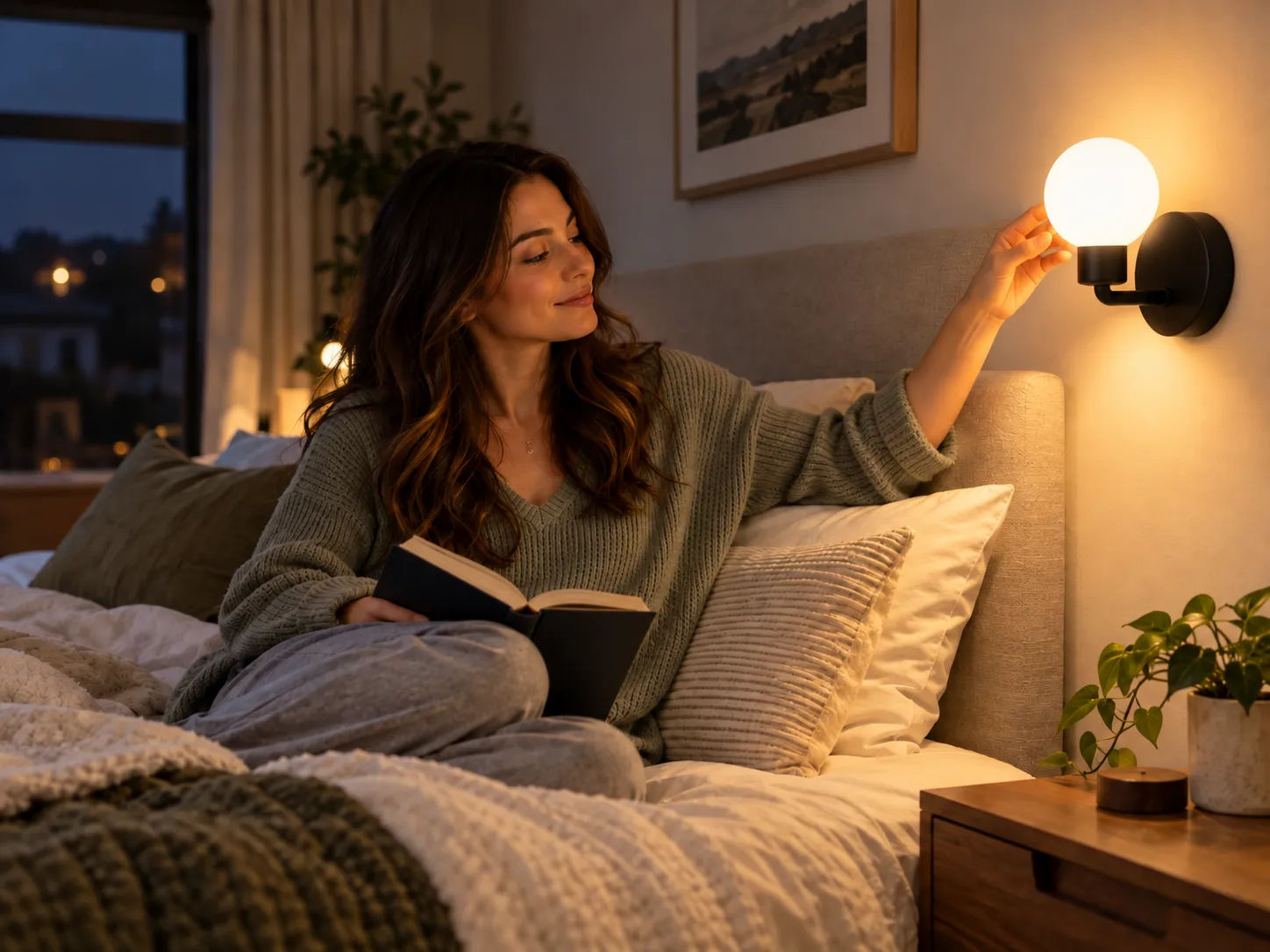

Poplight solves a very specific problem: you want the look of a wall sconce without hardwiring, drilling, or a visible power cord. The hesitation starts when that convenience costs about $99 for one light.
This Poplight review focuses on one buying decision: does the no-drill convenience justify the price for renters and bedside users? The key trade-offs are brightness, battery life, app reliability, wall mounting, and whether a cheaper rechargeable sconce could solve the same problem.
Quick Answer
Poplight makes the most sense when no-drill installation is the problem you genuinely need solved. It is easier to justify for renters, bedrooms, and accent lighting than for buyers who mainly want maximum brightness, long uninterrupted runtime, or the cheapest wall light.
Are You Paying $99 for Better Light—or Easier Installation?
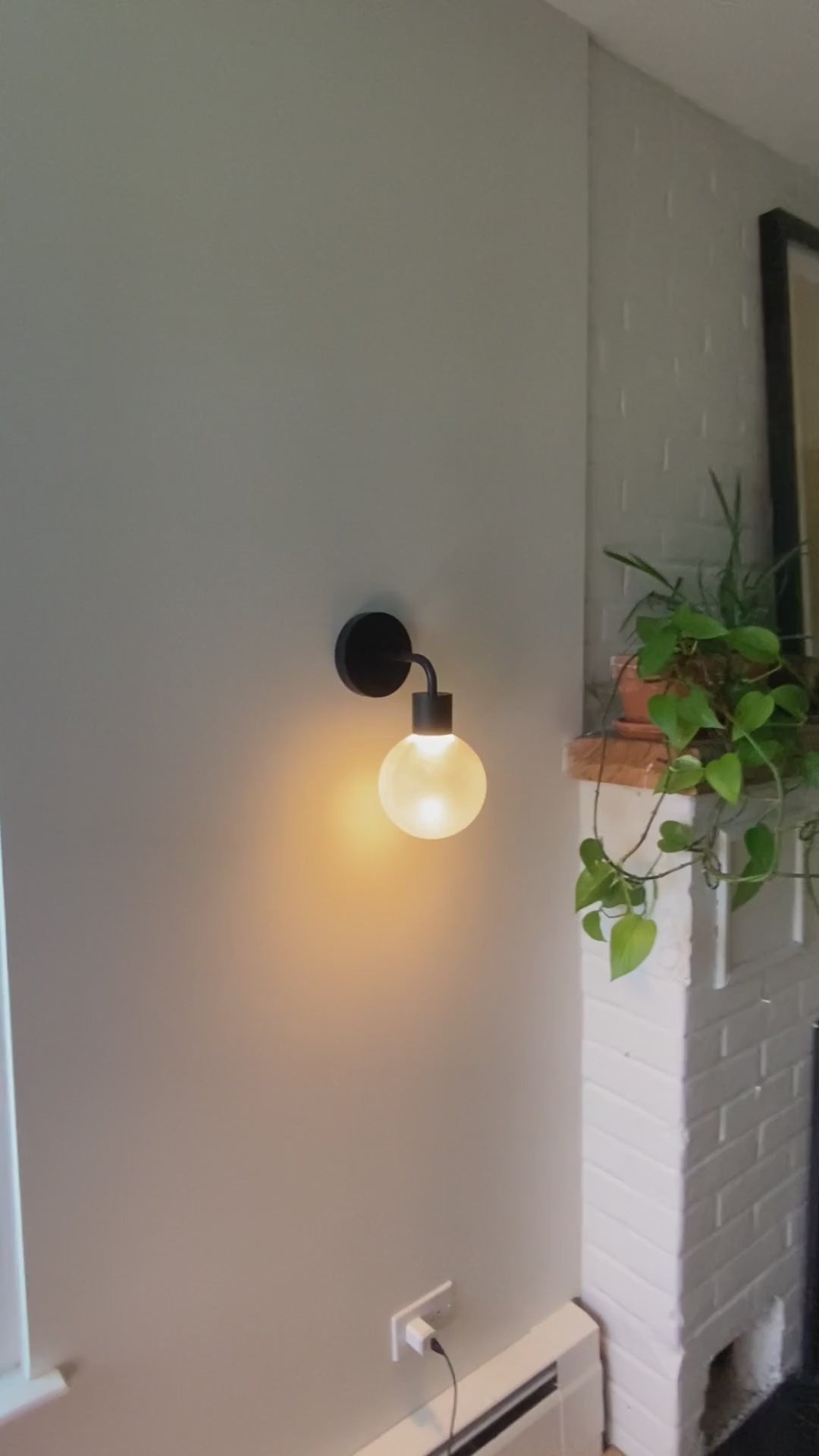
Poplight’s current product information lists the light at about $99, with roughly 300 lumens, rechargeable operation, renter-focused mounting, and app-enabled controls.[1]
The useful way to judge that price is to understand what you are actually paying for. Poplight’s strongest value is convenience rather than maximum light output per dollar. You are paying to avoid electrical work and visible cords while still getting a wall-mounted look.
That matters if you rent or cannot easily hardwire a fixture. But price resistance is real. Reddit users have specifically searched for cheaper Poplight-style options because around $100 for one fixture feels high.[5] NBC Select also discusses lower-cost rechargeable alternatives.[2]
If avoiding wiring or drilling is not a meaningful benefit in your room, the premium becomes much harder to justify.
Poplight Tool-Free Wall Sconce
$99.00
300 lumens · USB-C rechargeable · Up to 9-hour battery
Is 300 Lumens Enough for Reading Beside the Bed?
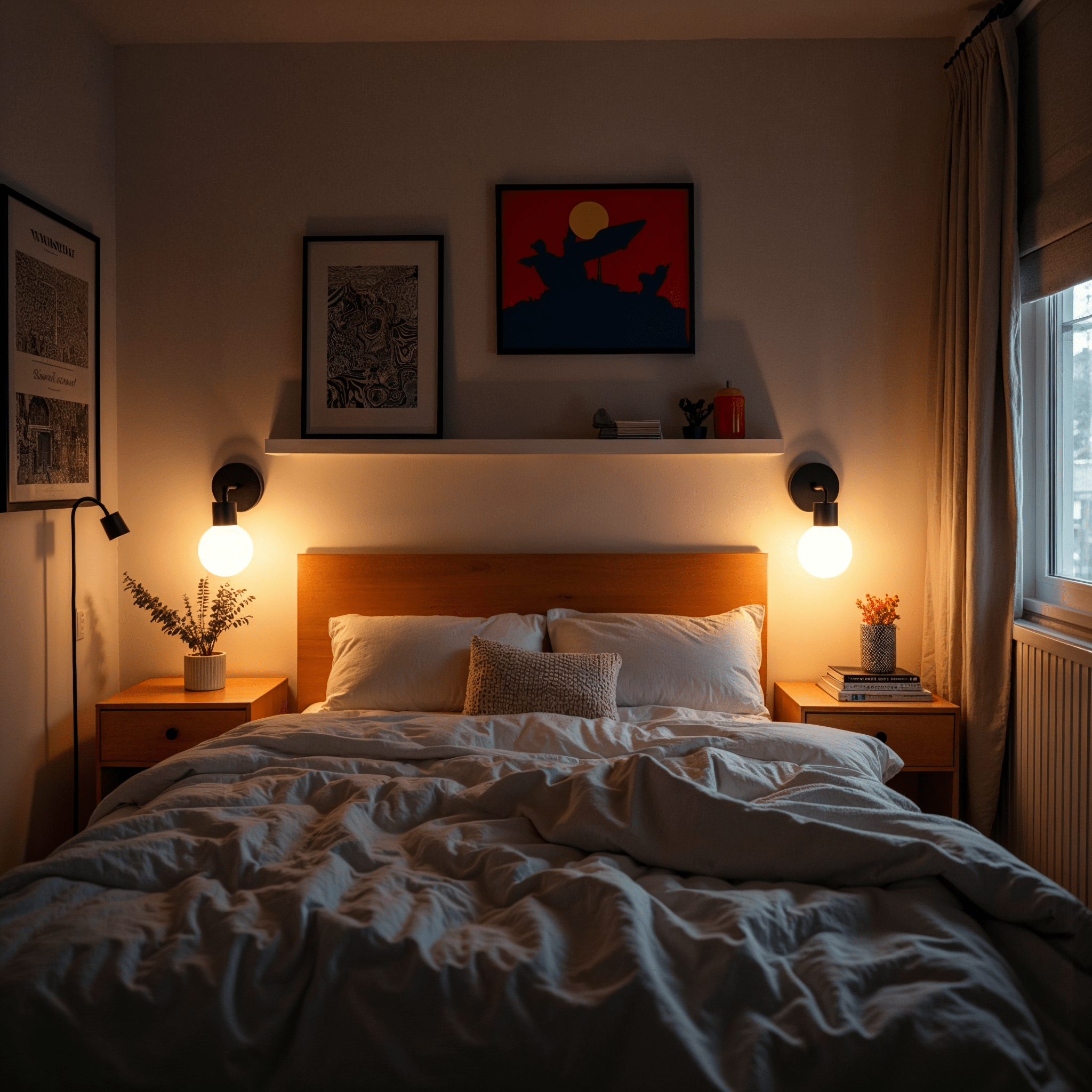
Poplight lists an output of about 300 lumens.[1] For a bedside buyer, the practical question is whether that is enough for reading rather than whether the number itself sounds impressive.
In a Reddit discussion about sconces without hardwiring, a buyer specifically asked whether Poplight was bright enough to read with. An owner said it was, while also noting that longer use means more charging.[3] That is useful owner feedback, but it should not be treated as a controlled brightness test.
For casual bedside reading, localized light, or ambience, 300 lumens may be enough. If you need a strong task lamp or expect one fixture to illuminate a larger area, Poplight becomes a weaker fit.
Two sconces may improve coverage, but that also turns a roughly $99 purchase into a roughly $200 setup. For that reason, brightness and actual use case matter before buying.
Will the Battery Become Annoying?
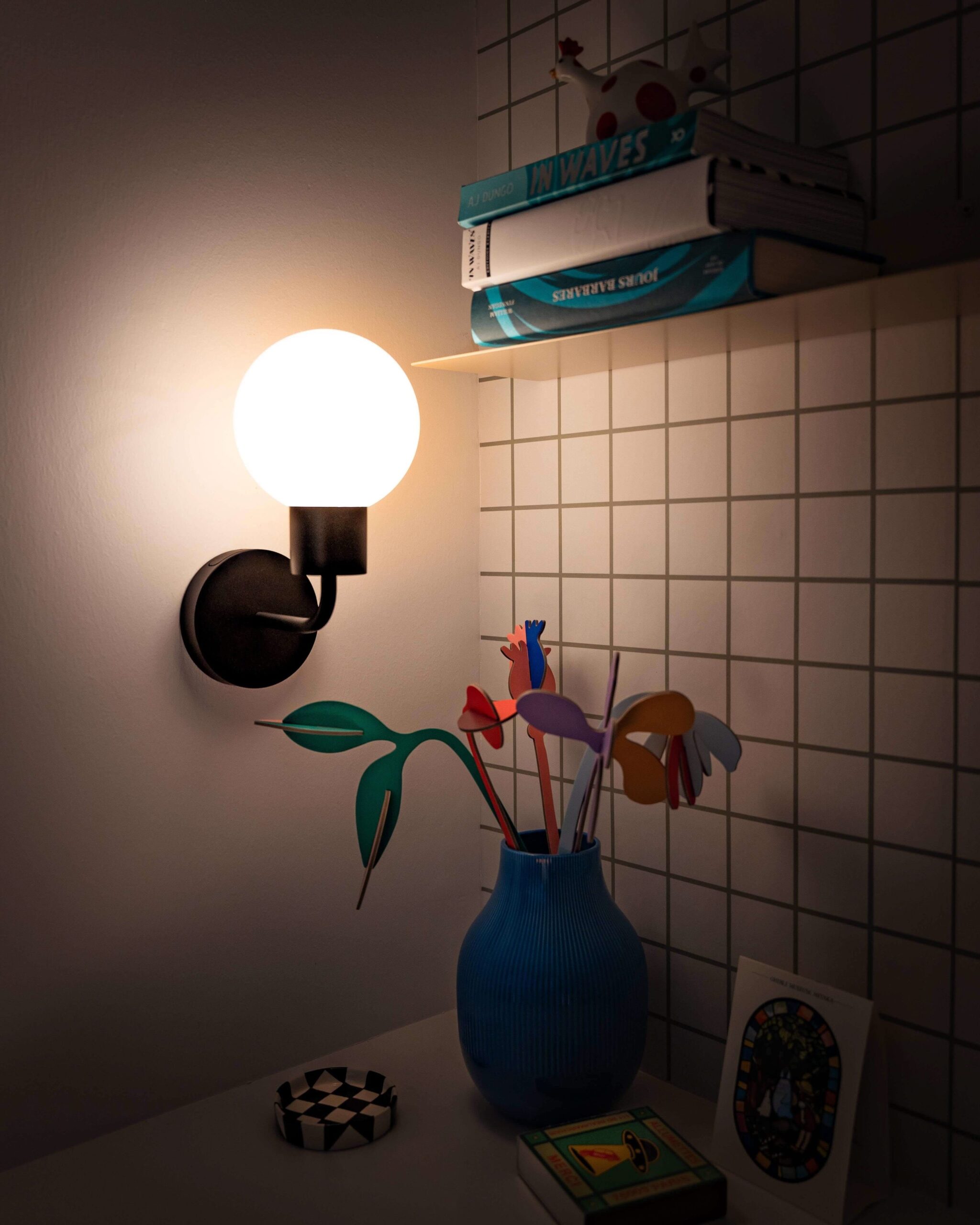
The current product information advertises up to about 9 hours of battery life.[1] But the more useful question is how that runtime fits your nightly routine.
If you switch the light on for a short bedtime period, charging may be a manageable trade-off. If you expect to use it for several hours every night, recharging becomes a much more noticeable part of ownership.
Community discussions repeatedly ask how often Poplight needs charging, and owners discussing reading use have also pointed out that longer sessions naturally mean more frequent charging.[3]
Cordless placement removes one inconvenience but introduces battery maintenance. If you strongly dislike charging devices, a plug-in or hardwired light may fit your habits better.
How Much Should the App Affect Your Decision?
App control is one of Poplight’s features. The official app supports functions such as changing color temperature, dimming, grouping lights, checking battery level, and setting a sleep timer.[6]
But Google Play feedback includes complaints involving Bluetooth connection, battery-status reporting, groups, and other controls.[7] That does not mean every buyer will experience those problems.
The important question is how much the app contributes to your reason for buying. If your main goal is simply getting an attractive no-wire wall light, the app can be treated as extra convenience. If smart control is what makes the $99 price worthwhile to you, the negative app feedback deserves more attention before purchase.
Will the Adhesive Mount Work on Your Wall?
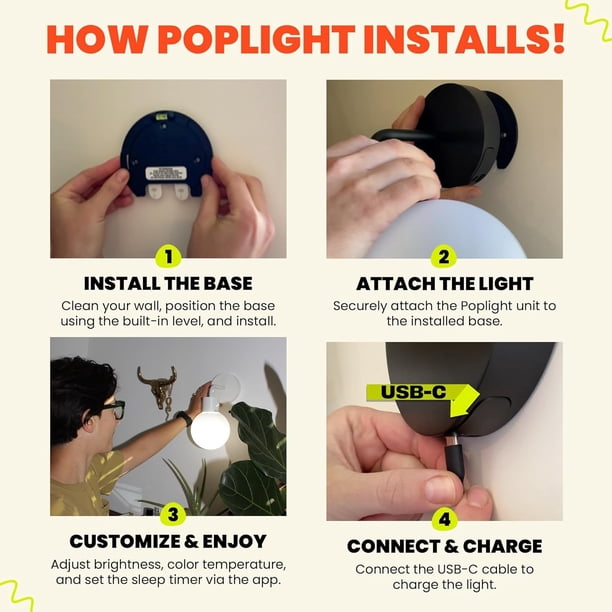
Poplight’s renter-friendly appeal depends heavily on its mounting system. The official instructions recommend cleaning the wall and using the built-in level when positioning the base.[1]
A dedicated Reddit discussion also shows that textured-wall compatibility is a real buyer concern. One owner reported success on a similarly textured surface after preparing the wall carefully.[4] That remains an individual experience rather than a guarantee for every finish.
If your wall is heavily textured, dusty, fragile, or has paint that lifts easily, check Poplight’s current surface guidance before ordering.
Do Cheaper Alternatives Make More Sense?
Cheaper rechargeable sconces are the clearest challenge to Poplight’s value. But a lower price only matters if the alternative solves the same problem.
Before choosing something cheaper, compare mounting method, charging setup, brightness, design, and whether drilling or visible cords are acceptable. NBC Select discusses lower-cost rechargeable alternatives, while Reddit users have explicitly searched for Poplight dupes because of the price.[2][5]
If price is your main concern, compare alternatives first. If avoiding wiring and drilling is the main problem, Poplight has a clearer reason to command a premium.
Pros
- No-hardwire setup for renters or difficult spaces.
- Clean cordless wall-sconce look.
- 300-lumen output can suit bedside and accent lighting.
- Rechargeable placement away from an outlet.
Cons
- About $99 per light is a meaningful premium.
- Recharging remains part of ownership.
- 300 lumens may be limited for stronger task lighting.
- App feedback includes connection and control complaints.
Who Should Buy Poplight—and Who Should Skip It?
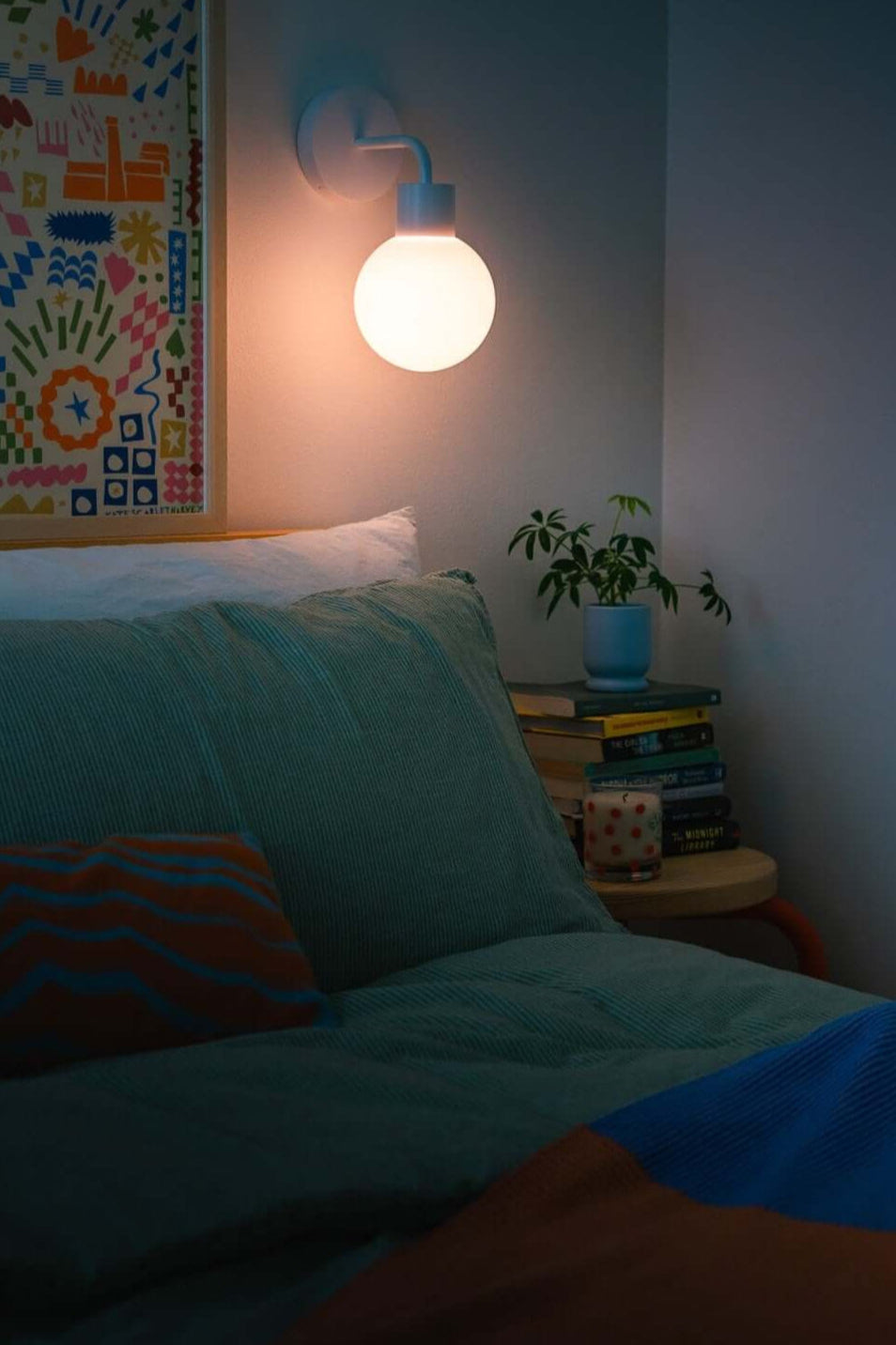
Poplight makes more sense if:
- You rent or want to avoid permanent wiring and drilling.
- You mainly need bedside, accent, or localized lighting.
- A clean wall-mounted look without a visible cord matters.
- You are comfortable periodically recharging the light.
- The installation convenience solves a real problem in your room.
Compare other options first if:
- Your main priority is brightness per dollar.
- You expect several hours of use every night.
- You strongly dislike charging devices.
- You are buying mainly for the smart-app experience.
- Your wall surface may be difficult for adhesive mounting.
Final Verdict: Is Poplight Worth $99?
Poplight is most convincing as a convenience-first wall light. Its strongest case is not that it produces the most light for $99. It is that it can put a wall sconce where hardwiring, drilling, or visible cords are undesirable.
For renters and bedside users who value that flexibility, the premium can make sense. For buyers who mainly want stronger task lighting, longer uninterrupted runtime, or the cheapest rechargeable option, the compromises are harder to justify.
Bottom line: choose Poplight when no-drill installation solves your actual problem. If it does not, compare cheaper rechargeable or plug-in sconces before paying the premium.
FAQs
Is Poplight bright enough for reading?
Its listed output is about 300 lumens. Poplight itself positions that output for accent lighting and nighttime reading, while individual owners have also reported using the light for reading.[1][3] Buyers who prefer stronger task lighting may still want more output.
How long does the Poplight battery last?
Poplight advertises up to about 9 hours from a full charge. How often you need to recharge will depend on brightness and how long you use it each day.[1]
Is Poplight worth the money?
It is easier to justify when no-drill installation and cordless placement solve a genuine problem. If your priority is simply low-cost light output, cheaper options may offer better value.
Poplight Tool-Free Wall Sconce
$99.00
Renter-friendly · 300 lumens · USB-C rechargeable · Up to 9-hour battery
Sources & References
- Poplight — Official Product Information
Current price, brightness, battery life, mounting guidance, and app-enabled functionality. Open source ↗ - NBC Select — Poplight Sconce Review
Independent publisher coverage of installation, renter use, and lower-cost alternatives. Open source ↗ - Reddit r/Lighting — Wall Sconces Without Hardwiring
Individual user discussion about Poplight brightness for reading and recharge frequency. Open source ↗ - Reddit r/Lighting — Results With Poplight and Textured Walls?
Individual owner discussion about textured-wall installation. Open source ↗ - Reddit r/femalelivingspace — Cheaper Poplight Dupes?
User discussion showing price sensitivity and interest in cheaper alternatives. Open source ↗ - Poplight — Official App Guide
App functions including dimming, color temperature, grouping, timer, and battery checking. Open source ↗ - Google Play — POPLIGHT App Reviews
Reported Android concerns involving connectivity, groups, battery status, and controls. Open source ↗
 ✓
✓