

This article contains affiliate links. Promolatte may earn a commission from qualifying purchases.
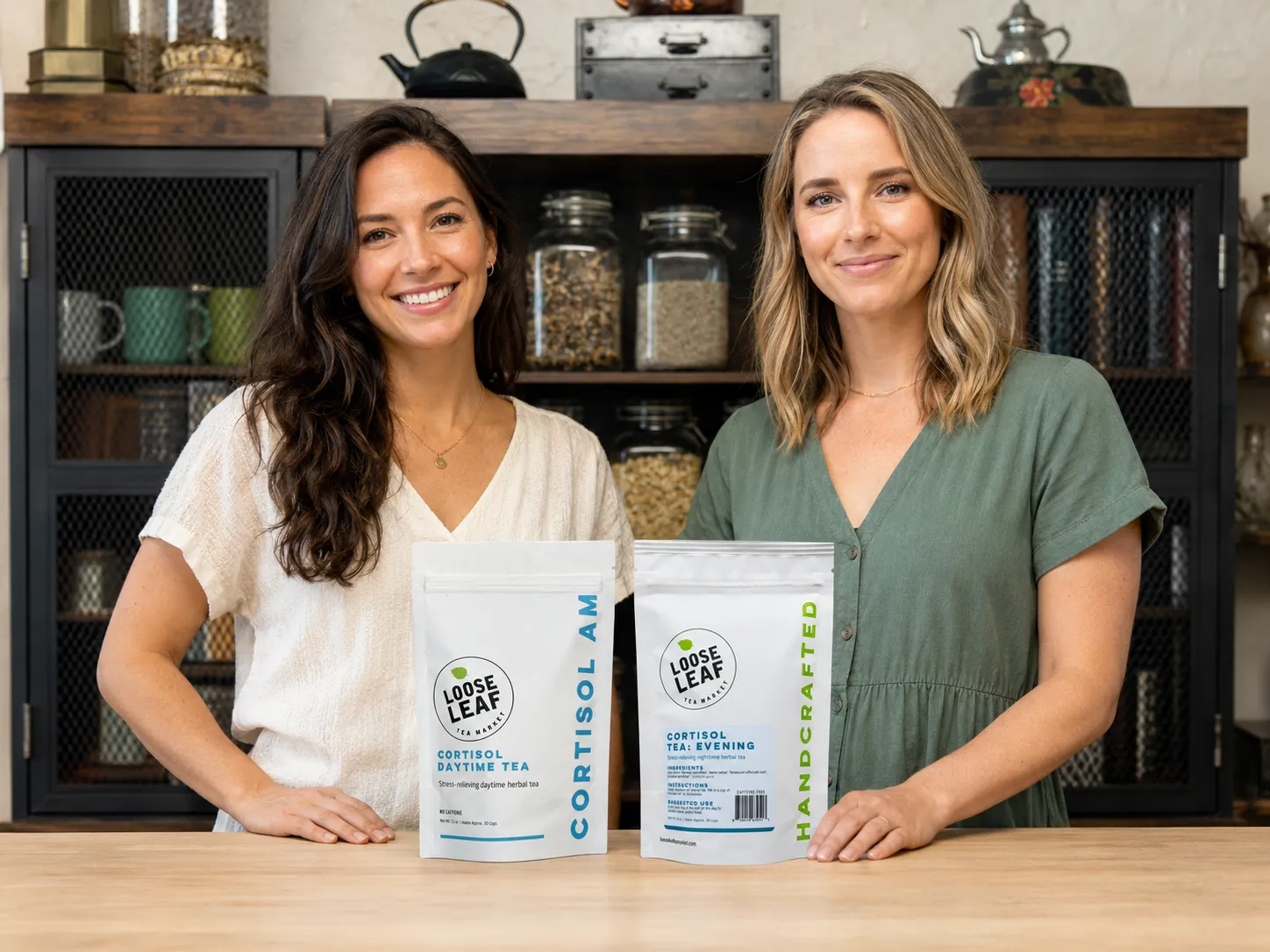
If you are deciding between Loose Leaf Tea Market Cortisol Daytime and Cortisol Evening, the useful question is not which name sounds stronger. It is which formula actually fits the time of day, flavor profile and routine you want.
Quick answer: choose Cortisol Daytime if you want a caffeine-free tea for mornings or afternoons with a lighter lemony profile. Choose Cortisol Evening if you want a dedicated wind-down tea with a greener herbal profile and an ashwagandha-containing formula.
Choose the bundle only if you realistically plan to use both. Daytime and Evening are currently $23.99 each, while the 60-cup bundle is $43.99. [1][2][3]
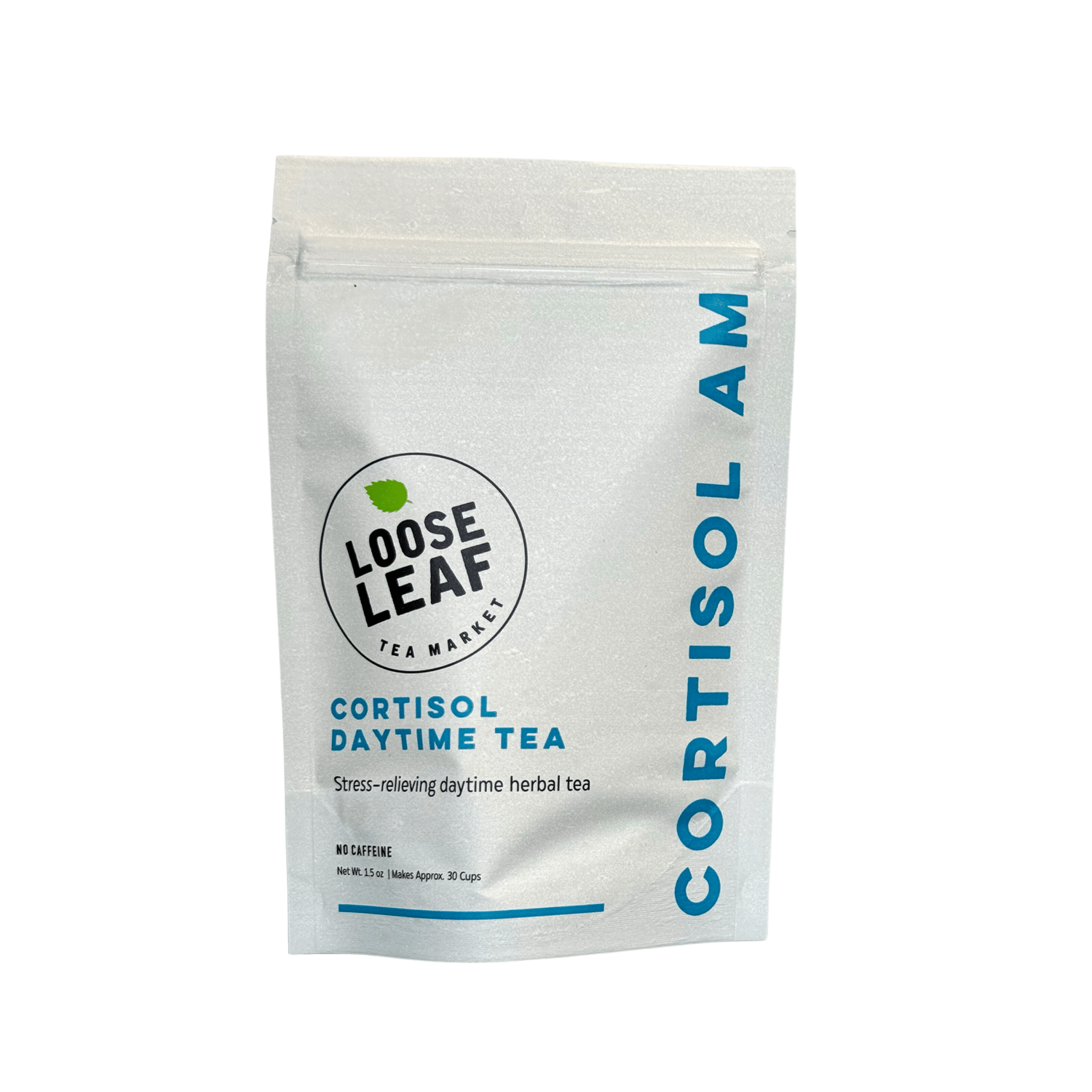
Cortisol Daytime Tea
TEASANA10.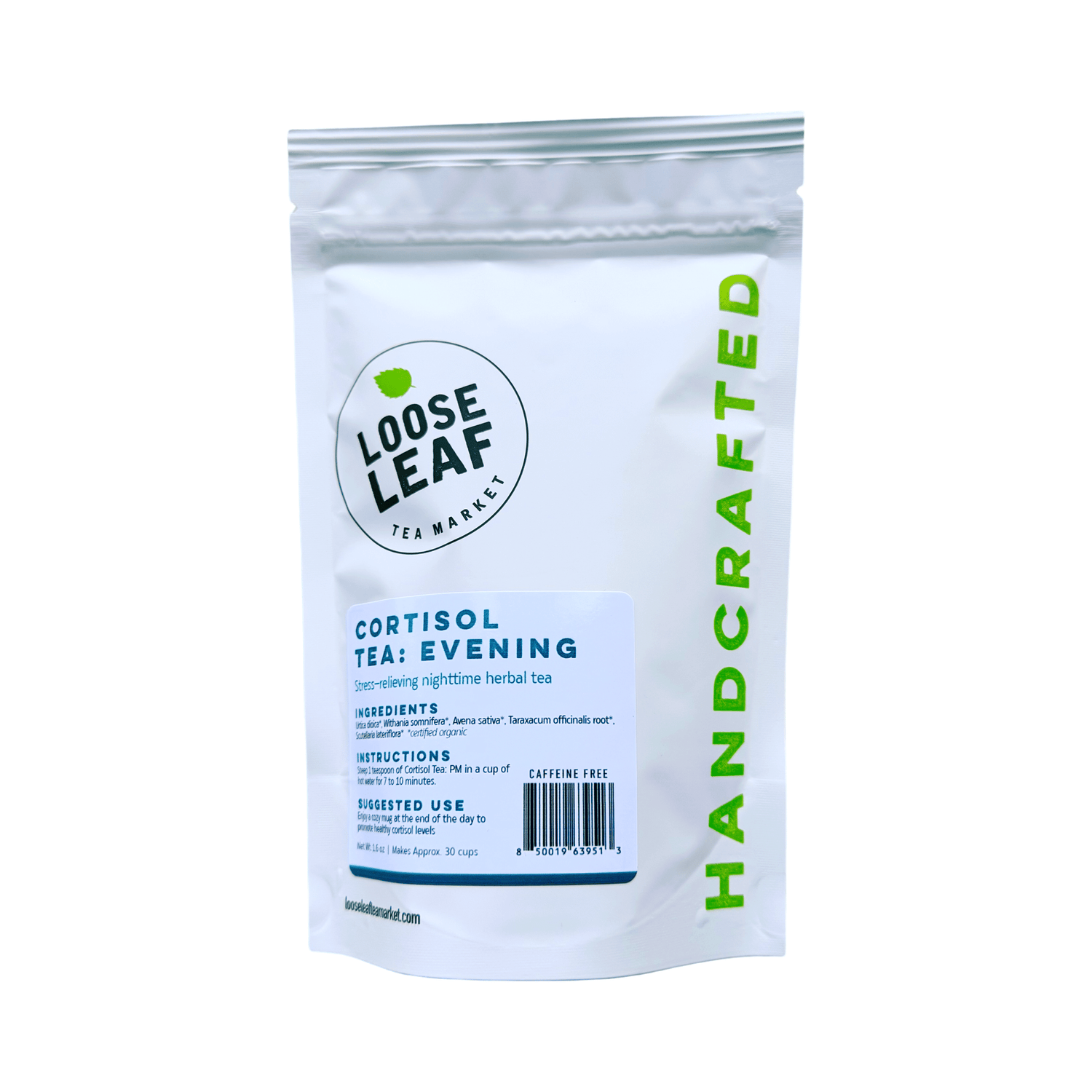
Cortisol Evening Tea
TEASANA10.What Actually Makes Cortisol Daytime and Evening Different?
The formulas are the real difference—not the word “cortisol” on the packaging.
Cortisol Daytime is built around rooibos and tulsi with citrus, floral and fruit botanicals. The current manufacturer page describes the flavor as light, refreshing and lemony. Cortisol Evening uses nettle, ashwagandha, oatstraw, dandelion root and skullcap, with a fresh, green, grassy and herbal profile. Both are currently caffeine-free. [1][2]
| Feature | Cortisol Daytime | Cortisol Evening |
|---|---|---|
| Best fit by routine | Morning / afternoon | Evening / wind-down |
| Caffeine | Caffeine-free | Caffeine-free |
| Current price | $23.99 | $23.99 |
| Advertised yield | About 30 cups | About 30 cups |
| Approx. price per cup | About $0.80 | About $0.80 |
| Flavor | Light, refreshing, lemony | Fresh, green, grassy, herbal |
Prices and promotions can change. Check the current checkout total before ordering. [1][2]
What’s Actually Inside Each Tea?
Daytime has the broader botanical formula; Evening has the shorter five-herb formula and includes ashwagandha.
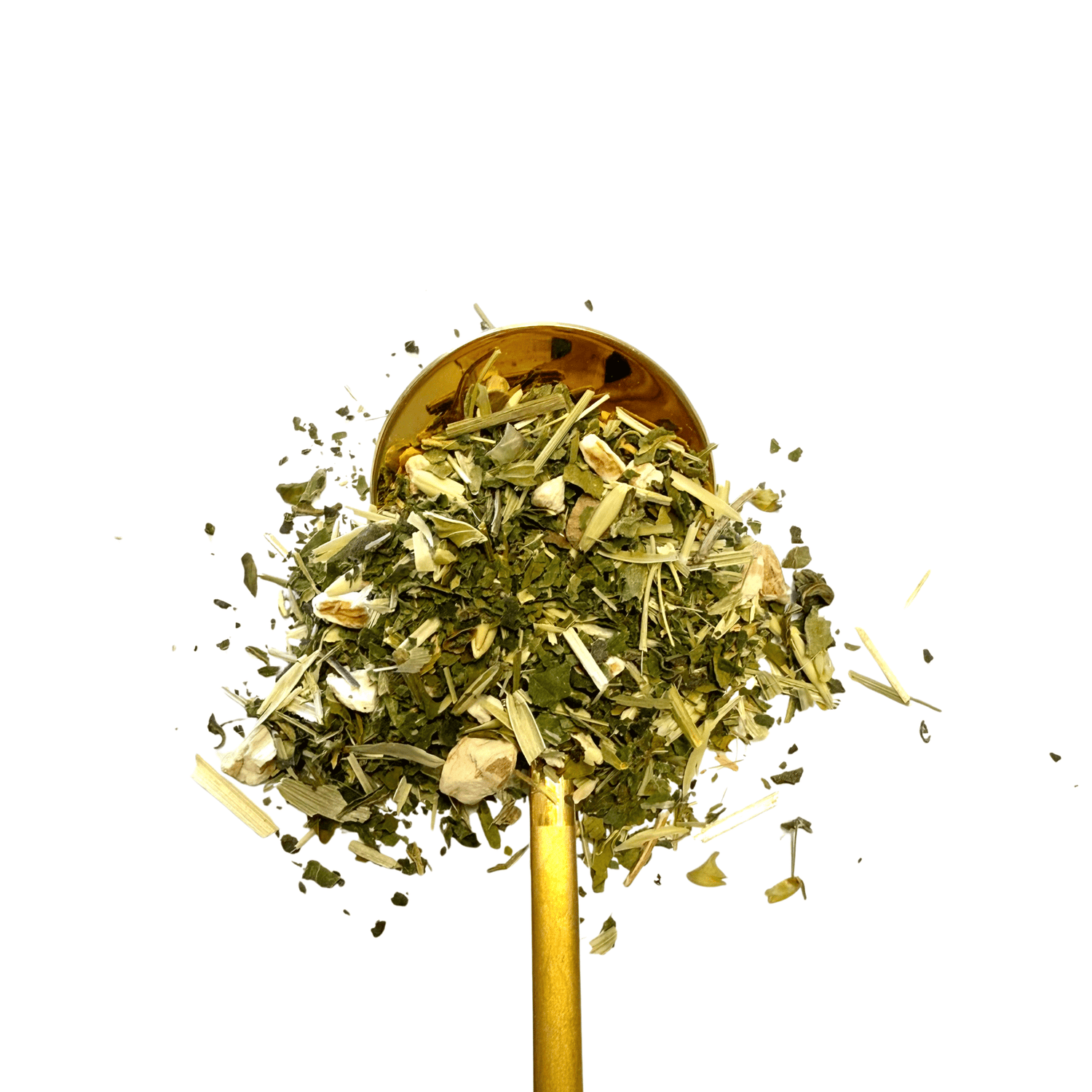
Loose Leaf Tea Market Cortisol Evening Tea ingredients visual.
If you prefer a brighter, more layered botanical blend, Daytime is the more obvious fit. If you specifically want the shorter nighttime-oriented formula, Evening is the more relevant option—but its ashwagandha content also gives some buyers an extra reason to review medication and health-condition considerations first.
The individual Daytime page currently lists lemongrass, while the Daytime ingredients shown on the Cortisol Tea Bundle page currently omit lemongrass. [1][3] The site does not explain whether that difference reflects a formulation update or an outdated listing, so check the package label if lemongrass matters to you.
Can Either Tea Actually Lower Cortisol?
We did not identify a clinical trial testing either exact finished tea.
Research exists on ingredients such as holy basil and ashwagandha, but those studies use specific preparations and measured doses. That is indirect evidence; it does not prove that a cup of Cortisol Daytime or Cortisol Evening produces the same clinical effect. [6][7]
| Evidence | What It Tells Us | What It Does Not Prove |
|---|---|---|
| Finished Daytime Tea | No direct clinical trial identified | That the finished tea reliably lowers cortisol |
| Finished Evening Tea | No direct clinical trial identified | That the finished tea reliably lowers cortisol or treats insomnia |
| Tulsi research | Human extract research exists | That Daytime supplies the same dose or produces the same result |
| Ashwagandha research | Human extract research exists | That Evening supplies the same dose or produces the same result |
What Are Buyers Actually Saying?
Buyer feedback is most useful here for taste, routine and subjective experience—not for proving a medical result.
That distinction matters. A tea can be enjoyable and fit someone’s routine without proving the stronger health outcomes implied by product marketing.
Is the Cortisol Tea Bundle Actually a Better Deal?
Yes on the current base price—but only if you’ll use both teas.
Buying one Daytime and one Evening bag separately currently totals $47.98. The 60-cup Cortisol Tea Bundle is currently $43.99, so the bundle saves about $3.99 before tax, shipping or other promotions. [1][2][3]
That works out to roughly $0.73 per advertised cup for the bundle versus about $0.80 per cup when buying either individual bag. The saving is real, but it is not large enough to justify buying a second formula you do not plan to drink.
The current Cortisol Tea Bundle page labels the 3-bundle / 180-cup option with “Free Shipping.” Separately, the brand FAQ says Autoship orders save 10% and receive free shipping. [3][9]
Who Should Probably Skip These Teas?
Neither formula makes sense if your only reason for buying is an expectation of a guaranteed cortisol, weight, anxiety or sleep result.
- Skip either tea as a medical solution if what you need is diagnosis or treatment for a health condition.
- Skip the bundle if you realistically plan to drink only the Daytime or only the Evening formula.
- Review Evening more carefully if ashwagandha may be inappropriate for you.
- Think about the recurring cost if you are unsure you will consistently prepare loose-leaf tea.
Daytime vs Evening: Which One Is Better for You?
Cortisol Daytime makes more sense if you want a caffeine-free morning or afternoon tea with a lighter, lemony flavor.
Cortisol Evening is the more specialized choice if you want an end-of-day tea and specifically prefer its shorter ashwagandha-containing formula.
The bundle makes sense only if both routines fit your day. At the current base price, it saves about $3.99 versus buying the two individual bags separately. [1][2][3]
Whichever route you choose, the current Promolatte affiliate offer uses code TEASANA10 for 10% off. Free-shipping offers have separate terms, so verify the final checkout total before paying.
Cortisol Daytime Tea
TEASANA10.
Cortisol Evening Tea
TEASANA10.Frequently Asked Questions
What is the main difference between Cortisol Daytime and Evening Tea?
The formulas, flavors and intended routines are different. Daytime is a rooibos-and-tulsi-based blend with a broader botanical ingredient list. Evening contains five herbs including ashwagandha and has a greener, grassier flavor. [1][2]
Are Cortisol Daytime and Evening Tea caffeine-free?
Yes. Both current manufacturer listings describe the teas as caffeine-free. [1][2]
Does Loose Leaf Tea Market Cortisol Tea actually lower cortisol?
We did not identify direct clinical evidence for either exact finished tea. Research involving individual ingredients should not be treated as proof that these specific blends produce the same result. [6][7]
Can I use Cortisol Daytime and Evening on the same day?
The company sells the two formulas together as an AM/PM bundle. Because both contain multiple botanicals, people taking medication or managing a medical condition should review the ingredient lists first. [3][8]
Is the Cortisol Tea Bundle cheaper than buying both separately?
At the current listed prices, yes. The two individual teas total $47.98, while one 60-cup bundle is $43.99—a difference of about $3.99 before tax, shipping or other promotions. [1][2][3]
Is there a Loose Leaf Tea Market discount code?
Promolatte readers can use code TEASANA10 for 10% off through our affiliate offer. Promotions can change, so confirm that the code is accepted before completing checkout.
Does Loose Leaf Tea Market offer free shipping?
Yes, on specific offers. The brand FAQ currently says Autoship orders include free shipping and 10% savings, while the Cortisol Tea Bundle page currently labels the 3-bundle option with “Free Shipping.” [3][9]
How We Researched This Comparison
We did not personally test these teas. This comparison is based on information that can be checked from current product listings, public buyer feedback, published ingredient research and independent safety guidance.
- Current ingredient lists
- Caffeine status and manufacturer-described flavor
- Current prices and advertised serving counts
- Bundle value and current free-shipping labels
- Positive and negative buyer feedback
- Research involving tulsi and ashwagandha
- Independent safety information for ashwagandha
Manufacturer claims, buyer experiences and clinical evidence are treated as separate types of evidence throughout this comparison.
Sources & Verification
- Loose Leaf Tea Market — Cortisol Daytime Tea
Open source - Loose Leaf Tea Market — Cortisol Evening Tea
Open source - Loose Leaf Tea Market — Cortisol Tea Bundle
Open source - Shop — Cortisol Daytime Tea buyer reviews
Open source - Shop — Cortisol Evening Tea buyer reviews
Open source - PubMed — Randomized placebo-controlled trial of holy basil extract, stress and sleep
Open source - PubMed — Randomized placebo-controlled study of ashwagandha extract and stress
Open source - U.S. National Center for Complementary and Integrative Health — Ashwagandha: Usefulness and Safety
Open source - Loose Leaf Tea Market — FAQ
Autoship savings, free-shipping information and shipping details.
Open source
 ✓
✓