

You’ve narrowed your options to Mira and Kegg. Mira provides hormone readings but requires disposable wands; Kegg tracks cervical fluid without routine refills. The question is whether Mira’s additional information justifies its ongoing cost. [1] [3]
Compare what each device measures, what its results mean, and how costs add up across six cycles.
Editorial disclosure: This comparison draws on official specifications, published research and attributed user discussions. PromoLatte has not independently tested both devices.
Quick Verdict: Consider Mira if you specifically want numerical LH and other hormone trends and can budget for replacement wands. Consider Kegg if cervical-fluid-based fertile-window tracking meets your needs and you’re comfortable using an internal sensor. Neither is a pregnancy guarantee or a substitute for fertility evaluation. [1] [3] [13]
What Are You Actually Buying With Mira or Kegg?
These devices track different biological signals. That is the first distinction to understand, because one product cannot automatically replace the other’s measurements.
| Decision factor | Mira | Kegg |
|---|---|---|
| Tracking method | Urinary hormones | Cervical-fluid electrical impedance |
| Main insight | Numerical hormone trends | Fertile-window trends |
| Routine | Urine sample and disposable wand | Reusable vaginal sensor |
| Consumables | Compatible replacement wands | No routine testing wands |
Product specifications: [1] [2] [3]
When Mira’s Hormone Readings Matter
Mira Max measures LH, E3G and PdG, while Ultra4 also measures FSH. For a closer breakdown of the FSH upgrade, see the Mira Ultra4 vs Max wands comparison. LH patterns help estimate ovulation timing; a later PdG rise provides biochemical evidence consistent with ovulation. If understanding hormone changes is your reason for upgrading from basic tracking, Mira offers information Kegg does not measure. Every measurement, however, uses a compatible disposable wand. [1] [2] [5]


Mira Max Kit — 20 Wands
LH, E3G & PdG hormone tracking; 20 wands included.
$229.00 Listed USD price
Product details: [1]

Mira Ultra4 Kit — 20 Wands
LH, E3G, PdG & FSH hormone tracking; 20 wands included.
$249.00 Listed USD price
Product details: [2]
When Kegg’s Reusable Approach Makes Sense
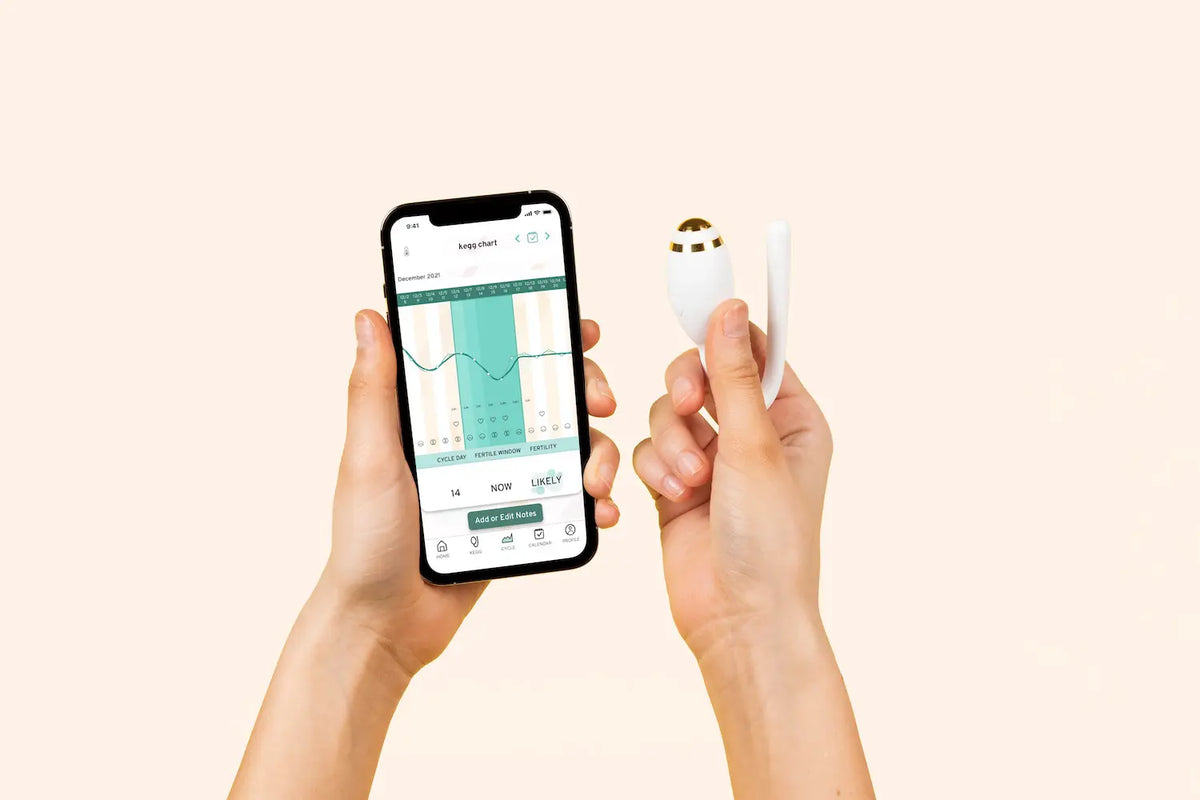
Kegg uses a vaginal sensor to measure changes in cervical-fluid electrical impedance. It translates those changes into fertile-window insights rather than LH, PdG or other numerical hormone results. That distinction is acceptable if fertile-window monitoring is your main goal and you would rather avoid buying test strips repeatedly. Its internal measurement routine also needs to suit your preferences. [3] [8]


Kegg Fertility Tracker
Reusable cervical-fluid tracker; no routine wand refills.
$279.00 Listed USD price
Product details: [3]
Can They Tell You Whether You Actually Ovulated?
A fertile-window prediction suggests when conception may be possible. It does not, on its own, establish that an egg was released. Mira’s LH measurements help predict timing, while subsequent PdG results can support an ovulation-confirmation interpretation. Even Mira’s guidance cautions against treating a hormone reading as the exact moment of egg release. Kegg does not directly measure LH or PdG. [5] [3]


What if their apps show different fertile dates? Different predictions are possible because their measurements and interpretation methods differ. Mira also explains that its projected date can move when later hormone readings change an earlier estimate. A changing prediction is a reason to review the underlying signals, not proof that one device is defective. If timing affects treatment or planned insemination, ask your clinician what evidence should guide the decision. [6] [9]
Mira vs Kegg Cost: What Happens After Several Cycles?
Price is where the comparison becomes especially practical. As listed on November 5, 2026, Mira’s Max kit with 20 wands costs $229, and a 20-wand Max refill costs $89. The Ultra4 kit with 20 wands is $249, with 20-wand refills at $99. Kegg displays a $279 sale price and requires no regular testing wands. [1] [2] [4] [3]
| Tracker | 3 cycles | 6 cycles |
|---|---|---|
| Mira Max | $407 | $674 |
| Mira Ultra4 | $447 | $744 |
| Kegg | $279 | $279 |
Kegg’s reusable design makes the projected total lower in this example. But lower cost does not mean equivalent information. If you need numeric hormone trends, the additional Mira expense may serve a real purpose. If you don’t need those readings, paying for repeated tests may offer little value for your particular goal. For a fuller look at the monitor’s practical benefits and ongoing testing costs, see HealthAffPro’s Mira Hormone Monitor review.
Already own a Mira Monitor? Compare compatible refill wands:

Mira Max Wands — 20 Pack
Replacement LH, E3G & PdG wands; Mira monitor required.
$89.00 Listed USD price
Product details: [15]

Mira Ultra4 Wands — 20 Pack
Replacement LH, E3G, PdG & FSH wands; monitor required.
$99.00 Listed USD price
Product details: [16]
What About PCOS or Irregular Cycles?
People with PCOS and unpredictable cycles have discussed both products, particularly the appeal of detailed hormone readings versus avoiding refills. Some also describe confusing charts and inconsistent predictions. These are useful examples of buyer concerns, not controlled evidence that either monitor works better for PCOS. [9]
Tracking a cycle and trying a supplement are separate decisions. Our Black Girl Vitamins PCOS Relief review examines claims about cycle regularity and the limits of buyer testimonials, not ovulation measurement.
The strongest cited Mira validation study focused on regularly cycling participants. Kegg’s small published study did not establish superiority for PCOS or directly compare against Mira. If your main concern is absent periods, suspected anovulation or difficulty conceiving, a home tracker cannot identify every possible cause. Medical evaluation may be more useful than purchasing another device. For more background on why LH, BBT and PdG signals can disagree, see this guide to ovulation tracking with irregular periods. [7] [8] [13]
Which Daily Routine Will You Actually Follow?
Mira requires collecting urine and using a test wand with its analyzer. Kegg requires an internal sensor reading instead. Neither routine is automatically easier for everybody. If vaginal insertion is unsuitable for you, Kegg’s savings may not matter. If you dislike maintaining a supply of disposables, Mira’s more detailed charts may come with an unwanted commitment. Read the manufacturer’s instructions before deciding which method fits your daily life. [1] [3]
Do You Need an Advanced Tracker at All?
A separate buying question is whether upgrading from ordinary ovulation strips is necessary. In one trying-to-conceive discussion, a reader who found temperature and OPK tracking difficult asked whether advanced monitors were worth the expense. That is an individual concern, not evidence that a pricier tracker improves pregnancy outcomes. [14]
If basic LH strips already give you the information you need, neither upgrade is automatically essential. If you want additional hormone measurements or a different way of following fertility trends, identify that specific missing information first. Then decide whether it justifies the cost and daily routine.
Does Research Prove One Tracker Is More Accurate?
No verified direct head-to-head clinical trial establishes an overall winner. A 2026 prospective Mira study followed 52 participants with regular cycles. In 121 analyzed ovulatory cycles, 96% of ovulations occurred within one day of Mira’s LH-peak-based timing estimate when compared with ultrasound. That result is encouraging within the studied population, not a universal promise. [7]
A 2024 Kegg-related study enrolled 14 participants, with 11 included in the final analysis, and compared cervical-fluid impedance with basal body temperature. It was small and funded by the device manufacturer. Its findings cannot be compared directly with Mira’s 96% result because the studies asked different questions. Accuracy figures without their study context can mislead a buyer. [8]
What Should You Check Before Paying?
Mira’s policy sets return conditions for unopened, unused products and lists a 15% restocking fee. Kegg’s standard policy describes a 30-day return period for sealed, unused products. Read the exact conditions rather than assuming either device can be tried risk-free. [10] [11]
Kegg advertises a six-month pregnancy guarantee, but its linked six-month terms specify eligible purchases through October 31, 2026. Those terms do not establish eligibility for a new November purchase. Its product page has also displayed both a sold-out label and add-to-cart controls. Confirm stock and the applicable guarantee directly before checkout. [12] [3]
Final Verdict: Which One Is Worth Buying for You?
Choose Mira to investigate further if your decision depends on numerical hormone trends and you accept the recurring wand budget. Choose Kegg to investigate further if you want reusable cervical-fluid tracking, can use the internal sensor comfortably and have confirmed current availability. If the information you need is a medical explanation for irregular cycles or infertility, neither tracker replaces clinical care. [13]
Compare the current terms for each tracker below. Kegg stock and guarantee eligibility should be confirmed before checkout. These links lead to the official product pages, not independent testing endorsements.
Mira Max Kit — 20 Wands
LH, E3G & PdG hormone tracking; 20 wands included.
$229.00 Listed USD price
Product details: [1]
Kegg Fertility Tracker
Reusable cervical-fluid tracker; no routine wand refills.
$279.00 Listed USD price
Product details: [3]
Product-card prices are pre-promotion US listings checked November 5, 2026. Taxes, shipping, promotions and stock can change. Product and editorial images load directly from the credited brand or retailer websites; image links may change or be blocked. Shop Product links point to official stores; replace them with approved affiliate URLs where applicable.
Sources & References
- Mira — Max Kit: hormones, kit variants, testing method and listed prices. View source
- Mira — Ultra4 Kit: four-hormone measurements and starter kit. View source
- Kegg — Official Tracker Page: sensor technology, price, guarantee claims and availability labels. View source
- Mira — Product Catalogue: Max and Ultra4 wand refill prices. View source
- Mira Help — How to Know If I Ovulated: LH and PdG interpretation. View source
- Mira Help — Why Predictions Move: changing projected ovulation dates. View source
- 2026 Mira Diagnostic-Accuracy Study: ultrasound comparison in regular cycles. View source
- 2024 Cervical-Impedance Study: Kegg-related study and limitations. View source
- Reddit — TTC/PCOS Community: individual buyer experiences and tracking concerns. View discussion
- Mira — Refund and Warranty Policy: eligibility and restocking fee. View source
- Kegg — Returns Policy: ordinary returns and warranty conditions. View source
- Kegg — Six-Month Pregnancy Guarantee Terms: promotional purchase dates and eligibility. View source
- ASRM — Fertility Evaluation Guidance (2026): medical evaluation recommendations. View source
- Reddit — Tracking Overwhelm Discussion: individual buyer question about advanced monitors versus ordinary OPKs. View discussion
- Mira — Max Wands 20 Pack: product and listed price. View source
- Mira — Ultra4 Wands 20 Pack: product and listed price. View source
- FSA Store — Ultra4 kit product photograph (image only). View image source
 ✓