

PromoLatte Buying Guide
Mito Red Light makes everything from small targeted panels to large multi-panel setups. The real question isn’t which model has the longest feature list it’s how much panel you need for the areas you actually plan to use.
The MitoPRO 750X is the middle-ground option for mixed body use but not everyone needs it.
If you mainly want red and near-infrared light for the face, neck, one joint, or another targeted area, the smaller MitoPRO 300X is the more practical premium panel. The 750X makes more sense when your routine regularly includes the back or torso, while the 1500X is easier to justify when you want substantially more panel area and less repositioning.
The biggest drawback is cost: Mito’s larger panels, stands, and multi-panel systems can push the investment up quickly. Research on photobiomodulation also does not automatically prove that a specific Mito panel will produce every benefit associated with red light therapy.
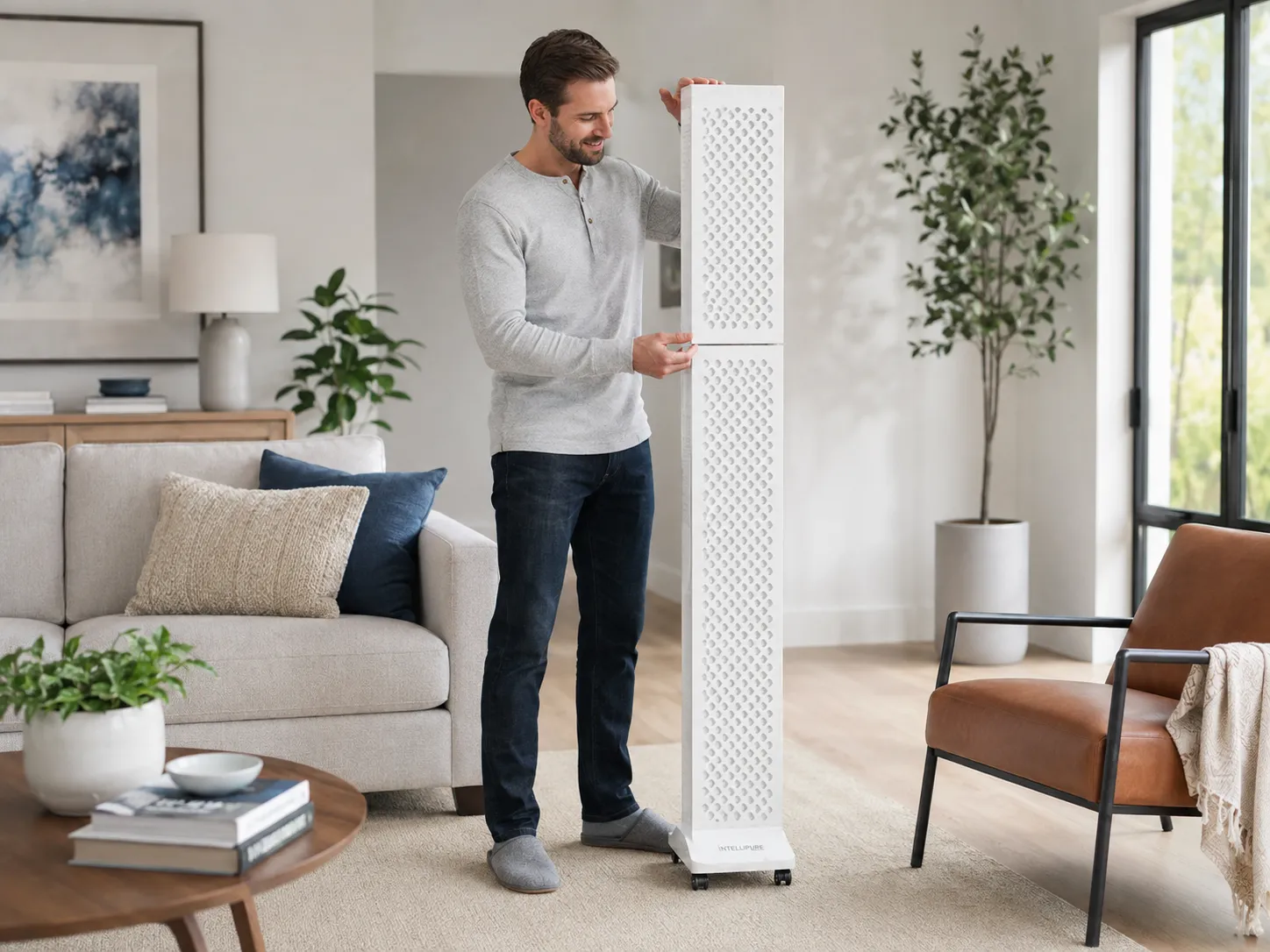
A small red light panel can sound limiting until you realize you’re only planning to use it on your face or a sore knee. A six-foot panel can sound appealing until you have to find room for it and justify spending thousands of dollars on a setup that may be more than your routine requires.
That’s the main tension in Mito’s lineup. There are multiple sizes, wavelength configurations, portable devices, wearable options, and premium arrays, but the smartest buying decision usually starts with a much simpler question: what area do you realistically expect to treat most often?
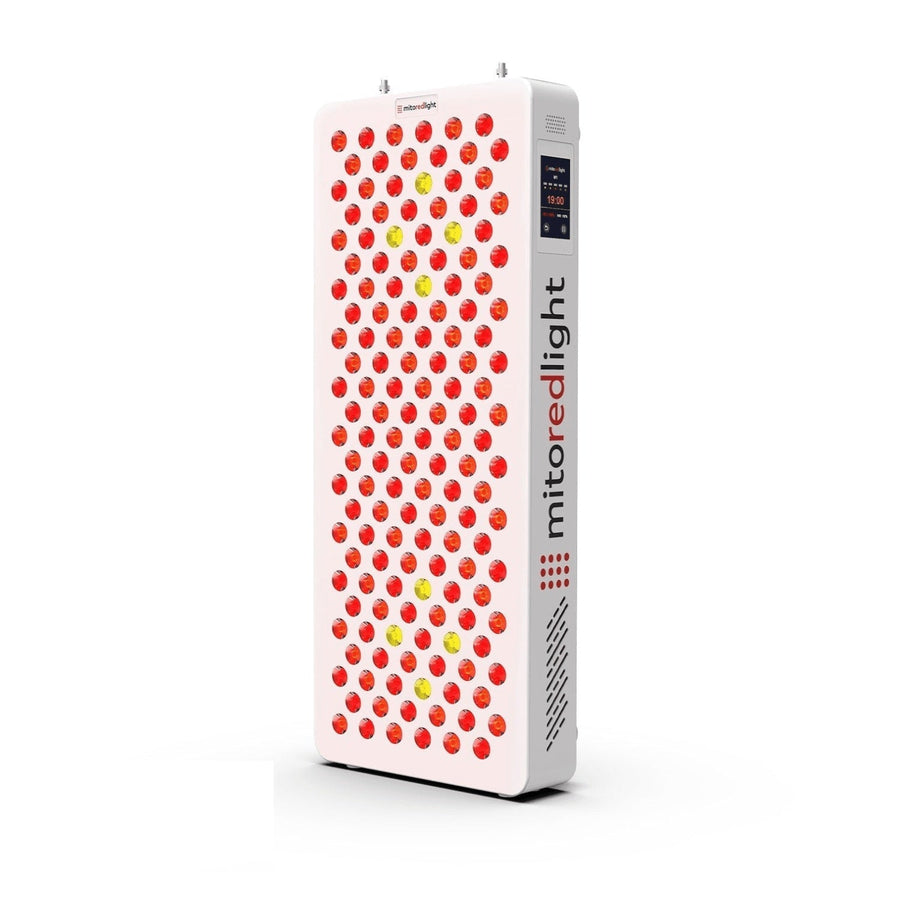
Image source: Mito Red Light [1]
Mito Red Light
MitoPRO 750X
$749
A larger step up from the 300X for buyers who regularly want to cover the back, torso, or other broader areas.
View MitoPRO 750XWhat Makes Mito Red Light Different?
The main appeal is choice: Mito lets buyers move from basic targeted panels into larger premium panels and specialized formats without leaving the same product ecosystem.
The Original 2.0 line starts at $249, while MitoPRO+, MitoPRO X, and MitoADAPT add additional wavelengths or controls at higher prices. Large MegaX and multi-panel arrangements move into a very different price category.
That variety is useful, but it also makes the lineup easier to overthink. Six or eight wavelengths can look inherently superior to two or four on a specification sheet. They aren’t automatically a better purchase.
MitoPRO X Review: Which Size Makes the Most Sense?
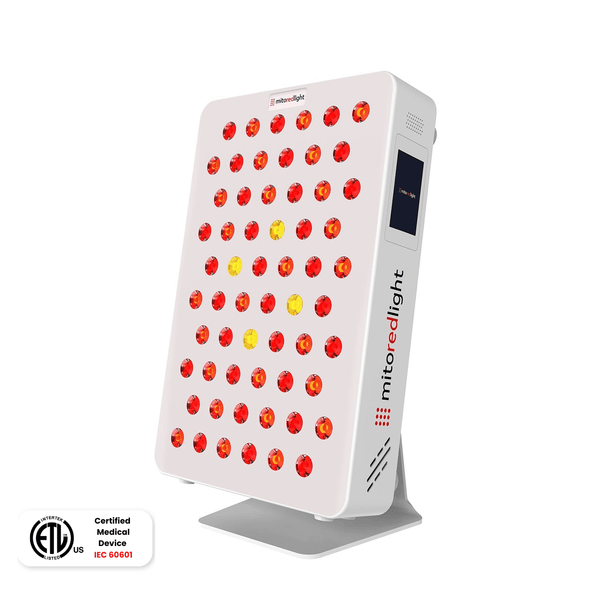
MitoPRO X is the premium series most buyers are likely to compare by size. The 300X costs $449, the 750X costs $749, and the 1500X costs $1,299 according to the current product lineup used for this guide.
Featured Size
MitoPRO 750X
The 750X is the practical bridge between a targeted panel and a much taller large-area device. At 10 × 23 inches and 15 pounds, it gives you more usable panel area for the back or torso without moving all the way to the 43-inch-tall 1500X.
That doesn’t make it the automatic winner. Someone focused on facial use may get little practical benefit from the extra size, while a frequent large-area user may still prefer the 1500X.
Check Current Mito PricingImage source: Mito Red Light [1]
| Model | Price | Dimensions | Weight | Best practical fit |
|---|---|---|---|---|
| MitoPRO 300X | $449 | 9.5 × 14.5 in. | 7 lb | Face, neck, joints, and targeted areas |
| MitoPRO 750X | $749 | 10 × 23 in. | 15 lb | Targeted use plus back, torso, and broader areas |
| MitoPRO 1500X | $1,299 | 10 × 43 in. | 25 lb | Frequent larger-area sessions with less repositioning |
How Much Red Light Panel Do You Actually Need?
Panel size changes convenience more directly than many of the specification differences shoppers tend to focus on. A smaller panel can still illuminate different body areas you simply have to reposition yourself or the panel more often.
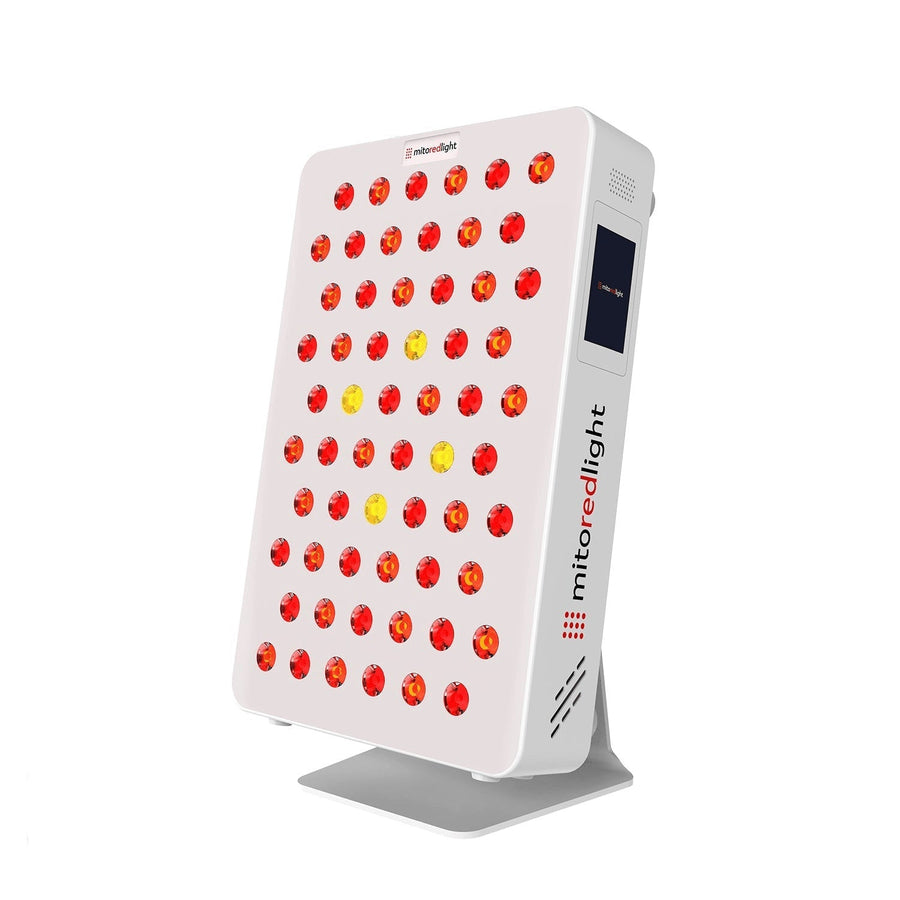
Image source: Mito Red Light [1]
Mito Red Light
MitoPRO 300X
$449
Consider it when your routine is mostly face, neck, joints, or another localized area.
View ProductImage source: Mito Red Light [1]
Mito Red Light
MitoPRO 750X
$749
Consider it when you want one panel for targeted areas plus more regular back or torso use.
View Product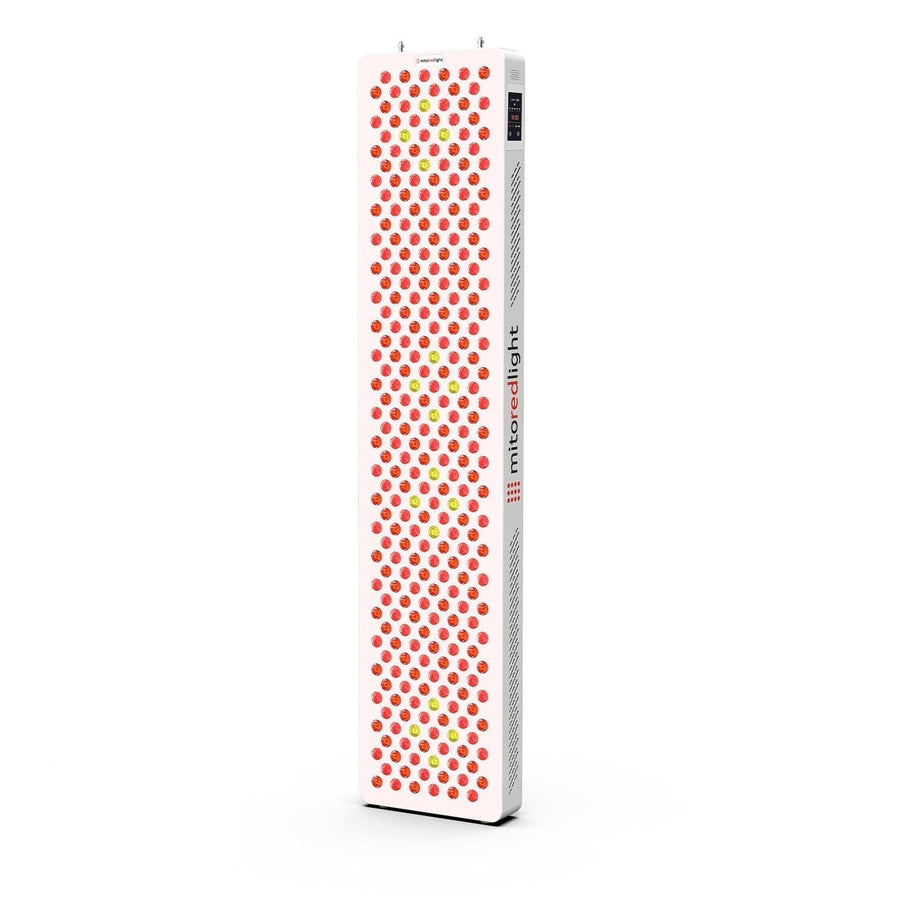
Image source: Mito Red Light [1]
Mito Red Light
MitoPRO 1500X
$1,299
Consider it when larger muscle groups or broader body coverage are regular parts of your routine.
View Product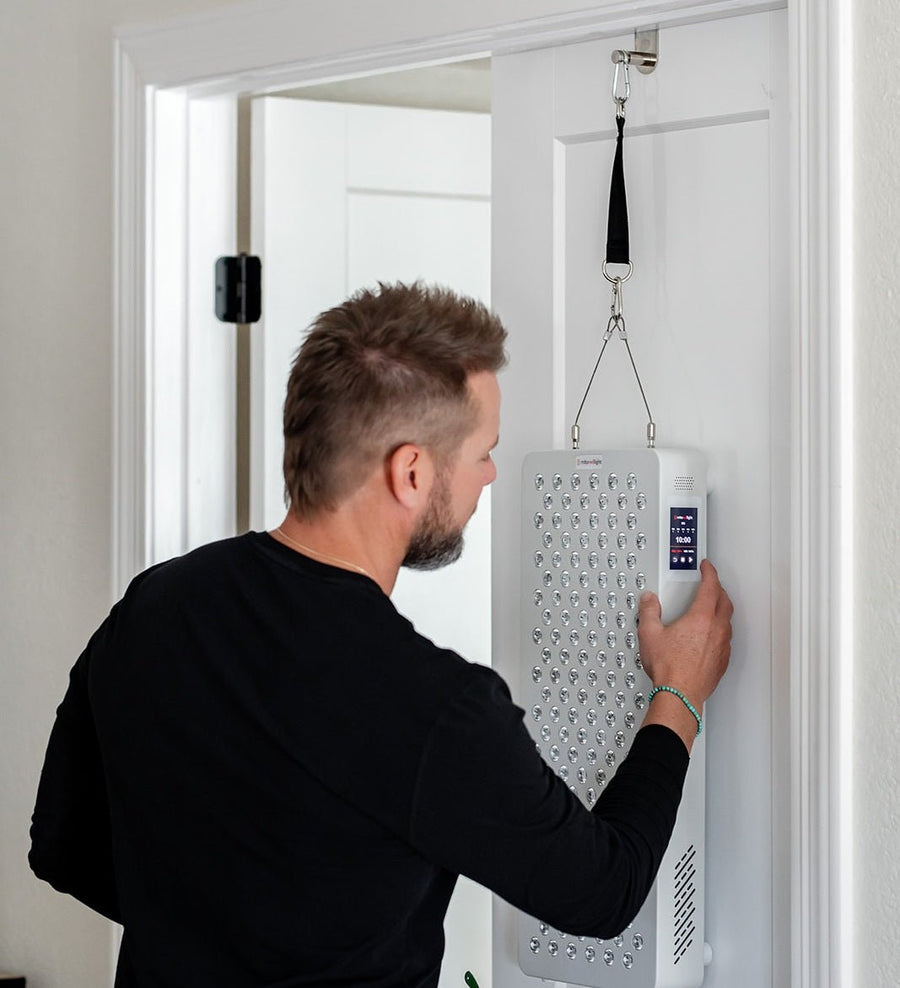
Does Red Light Therapy Actually Work?
There is credible independent evidence for some applications of red light and photobiomodulation, but that should not be stretched into a claim that every home device produces every benefit marketed online.
The American Academy of Dermatology notes that studies have found improvements in some signs of skin aging and some hair regrowth in hereditary hair loss. Home devices and treatment protocols vary, which limits how confidently results from one device or study can be applied to another.
How Powerful Are MitoPRO X Panels?
Mito publishes third-party testing for its panels, but irradiance comparisons still need context because meters, distances, testing methods, and reporting formats can produce different numbers.
The current MitoPRO X comparison lists the 300X, 750X, and 1500X with both consumer-meter and professional spectroradiometer figures at six inches. The company itself distinguishes those two measurement methods, so raw irradiance numbers should not be compared across brands unless the testing methodology is equivalent.
Original 2.0 vs. PRO+ vs. PRO X vs. ADAPT: Which Series Fits You?
The most practical strategy is to buy the least expensive series that gives you the panel size and controls you actually expect to use.
| Series | Starting price | What changes | Who should compare it |
|---|---|---|---|
| Original 2.0 | $249 | Simple 660/850 nm configuration | Budget-focused buyers wanting a basic red/NIR panel |
| MitoPRO+ | $369 | Four wavelengths | Buyers wanting more wavelength options without PRO X pricing |
| MitoPRO X | $449 | Six wavelengths, touchscreen, app support | Buyers who value added controls and multiple panel sizes |
| MitoADAPT 4.0 | $549 | Eight wavelengths and 11 selectable modes | Buyers specifically interested in expanded wavelength and mode control |
Do You Need a Panel at All?
A rigid panel is the most versatile option in Mito’s lineup because the same device can be repositioned for different body areas. But versatility isn’t always the priority.
| Main use | Device to compare | Practical reason |
|---|---|---|
| Face / neck | 300X or MitoGLOW | The panel is more versatile; the mask is dedicated to hands-free facial use. |
| One joint | 300X or MitoPRO Mobile | Smaller formats are easier to position around a localized area. |
| Lower back / torso | 750X or MitoQUAD | A panel provides open-area exposure; the wearable format wraps around the body. |
| Larger muscle groups | 750X or 1500X | More panel area reduces repositioning. |
| Portable use | MitoPRO Mobile | Compact, battery-powered format. |
What Should You Check Before Ordering?
Panel price is only part of the decision. Mounting hardware, floor-stand costs, available space, and the cost of returning a large device can materially change how comfortable you feel about ordering.
- 300X: compact enough for tabletop use.
- 750X and 1500X: hanging hardware is available; compatible stands are separate accessories.
- Space: measure the panel and leave room for positioning distance.
- Returns: verify the current return policy and responsibility for return shipping before ordering.
- Current pricing: confirm at checkout because promotions and bundle pricing can change.
Consider a Mito Red Light Panel If…
Consider it if…
- You want a rigid panel that can be repositioned across different body areas.
- You can choose a size based on the treatment area you’ll use regularly.
- You value the controls available in the PRO X or ADAPT lines.
- You have enough space for the panel and mounting setup.
Skip it or choose another format if…
- You mainly want hands-free facial use and would rather wear a mask.
- You need a battery-powered device for travel.
- You want a wearable format that wraps directly around one body area.
- You are considering an expensive model mainly because it has more wavelengths.
TL;DR: Is Mito Red Light Worth Considering?
Yes, if you choose the panel according to treatment area instead of automatically buying the largest or most feature-heavy model.
The MitoPRO 300X makes the strongest practical case for targeted face, neck, joint, or localized use. The 750X is the more flexible middle option when your routine regularly expands to the back or torso. The 1500X becomes easier to justify for repeated larger-area sessions where less repositioning has real value.
Budget shoppers should also compare the Original 2.0 line starting at $249. If your needs are face-only, wearable, or portable, compare Mito’s mask, belt, and mobile formats before committing to a stationary panel.
Compare the Mito lineup before choosing your size
Check the current product price, included mounting hardware, optional stand cost, stock status, and return terms before ordering.
Check Current Mito Red Light PricingFrequently Asked Questions
Is the MitoPRO 750X better than the 300X?
Not automatically. The 750X gives you more treatment area, while the 300X costs less, takes up less space, and is easier to position for targeted areas.
Is the MitoPRO 1500X a full-body panel?
Mito positions the 1500X as a full-body model, but actual coverage depends on height, positioning, and distance from the panel.
Does the MitoPRO 750X include a floor stand?
The product can be used with hanging hardware, while compatible floor stands are sold separately. Verify the current package contents before ordering.
Do more wavelengths mean a red light panel works better?
Not automatically. Wavelength count is one hardware specification. Coverage, dose, positioning, usability, price, and how consistently the device fits your routine also matter.
How We Researched This Guide
PromoLatte did not personally test these Mito devices for this article. This is a research-based editorial buying guide.
The comparison uses manufacturer specifications, product pricing, panel imagery, device-format information, and other source material reviewed for this article. Changing details such as price, promotions, stock, and policies should be rechecked before publication or purchase.
Sources & references
- Mito Red Light — MitoPRO X Series product page, pricing, dimensions, product images and published specificationsOpen source ↗
 ✓
✓