


If you are comparing Hooga and Mito, you are already close to a purchase. The difficult part is that Mito is not always more expensive, Hooga is not always the obvious value winner, and headline irradiance figures are not automatically comparable.
This comparison answers the decision that matters: what are you getting for the price difference at the panel size you need?
Quick Verdict
Choose Hooga if: you want a lower-priced compact or large panel, straightforward red/NIR coverage, and you do not need Mito’s broader wavelength mix.
Choose Mito if: six wavelengths, app/touchscreen controls, and published consumer-meter plus spectroradiometer figures matter to you. At the mid-size level, the MitoPRO 750X is currently listed below the Hooga ULTRA750.
Bottom line: compare the exact models, not the brands in the abstract.
What Are You Actually Paying For?
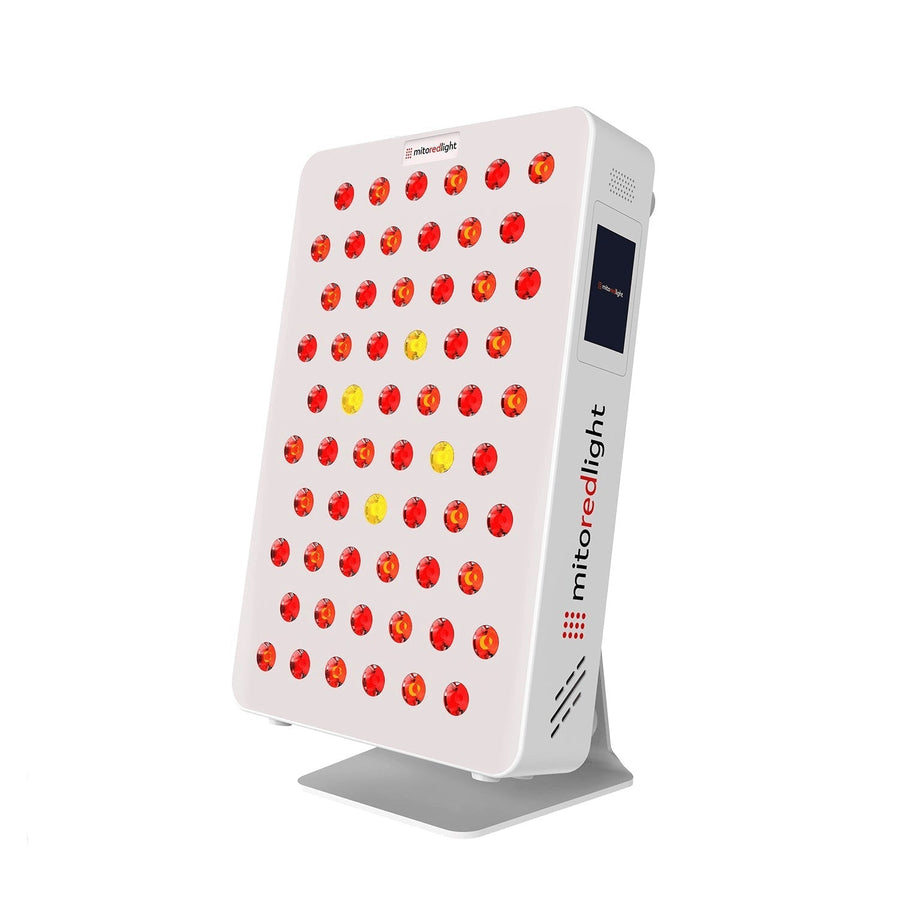
MitoPRO X uses six wavelengths: 590, 630, 660, 810, 830, and 850 nm. It also includes touchscreen controls, app integration, and both consumer-meter and professional spectroradiometer irradiance figures.[1]
Hooga’s ULTRA line uses four wavelengths: 630, 660, 810, and 850 nm. The ULTRA360 and ULTRA750 also include touchscreen controls, brightness adjustment, timers, and pulse settings. Hooga’s PRO1500 is simpler, using 660 and 850 nm with red/NIR controls and a built-in timer.[2][3][4]
Mito gives you more wavelength flexibility. Hooga can cost less at some sizes if those extras do not matter to you.
Which Models Should You Actually Compare?
Hooga ULTRA360 vs MitoPRO 300X
Hooga ULTRA360 is currently listed at $399. It has 72 LEDs and four wavelengths. MitoPRO 300X is listed at $449 and uses six wavelengths, with touchscreen/app features and both consumer-meter and spectroradiometer figures published by Mito.[1][2]
What the $50 difference means: Mito’s extra wavelengths and measurement documentation may justify it; otherwise, ULTRA360 keeps the compact-panel price lower.
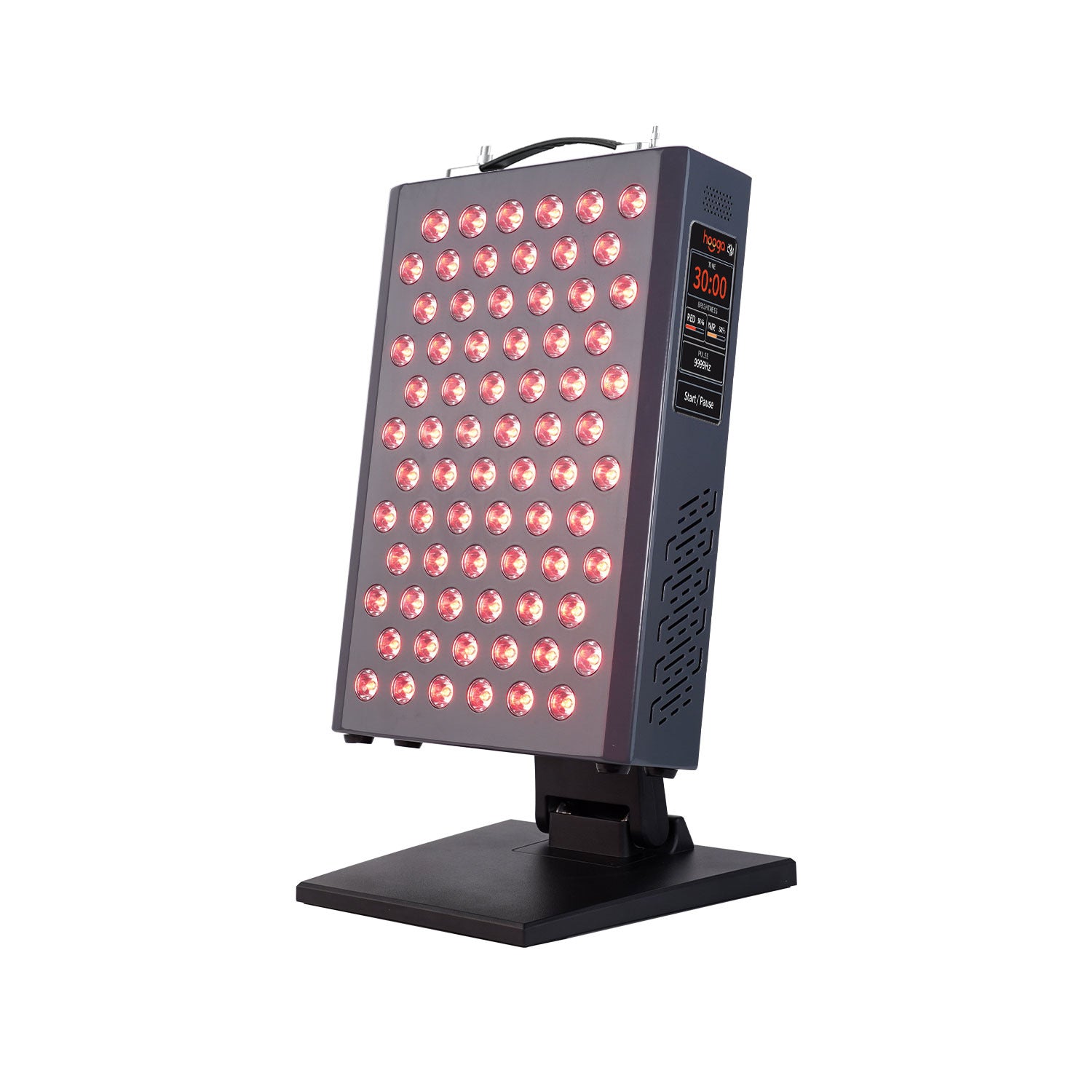
Hooga ULTRA360
A compact four-wavelength Hooga panel for buyers who want advanced controls without moving up to MitoPRO 300X pricing.
$399
- 72 LEDs
- 630, 660, 810 and 850 nm
- Touchscreen, brightness and pulse controls
MitoPRO 300X
The compact MitoPRO X option adds six wavelengths, app integration and dual-method irradiance reporting.
$449
- 60 lenses / 120 LED chips
- Six wavelengths
- Touchscreen and app controls
Hooga ULTRA750 vs MitoPRO 750X
This is where the usual “Hooga is cheaper” shortcut breaks down. Hooga ULTRA750 is currently $799, while MitoPRO 750X is $749.[1][3]
Hooga has four wavelengths and 150 LEDs; Mito has six wavelengths. Currently, Mito does not require a premium. That makes the 750X especially important to compare.
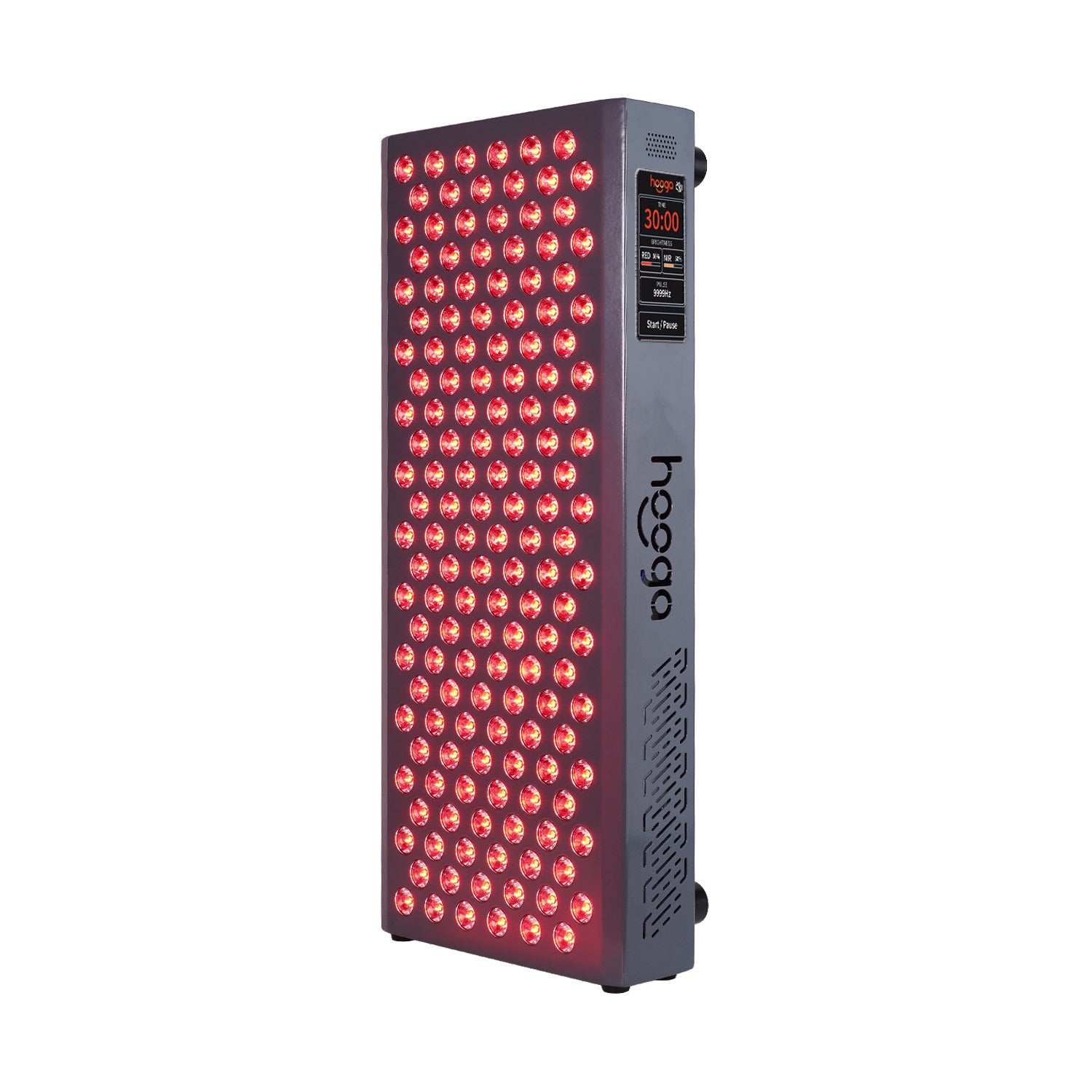
Hooga ULTRA750
A mid-size four-wavelength Hooga panel with adjustable brightness, touchscreen controls and pulse settings.
$799
- 150 LEDs
- 630, 660, 810 and 850 nm
- Mid-size coverage with ULTRA controls
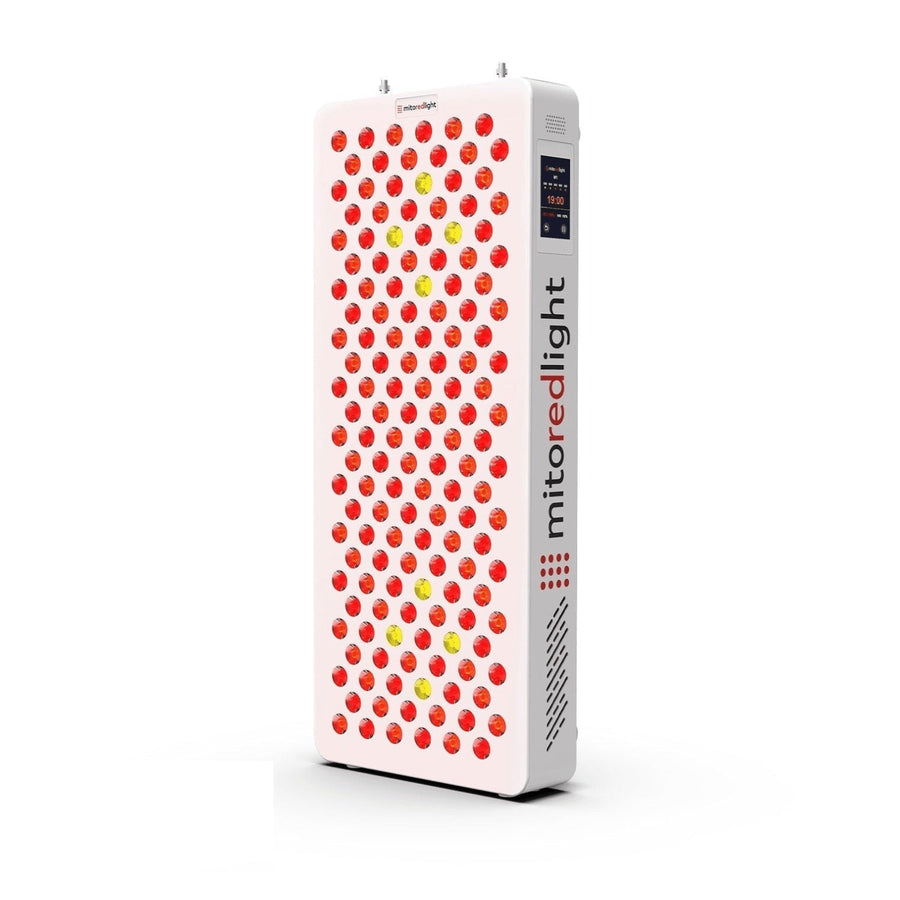
MitoPRO 750X
A six-wavelength upper/lower-body option that currently lists below the Hooga ULTRA750.
$749
- 150 lenses / 300 LED chips
- Six wavelengths
- Touchscreen and app integration
Hooga PRO1500 vs MitoPRO 1500X
For a larger setup, Hooga PRO1500 is listed at $1,199, while MitoPRO 1500X is $1,299.[1][4]
Hooga’s PRO1500 uses 660 and 850 nm, while MitoPRO 1500X uses the six-wavelength PRO X mix. The $100 question is whether broader wavelength and control flexibility matters more to you than keeping the larger-panel purchase simpler and cheaper.
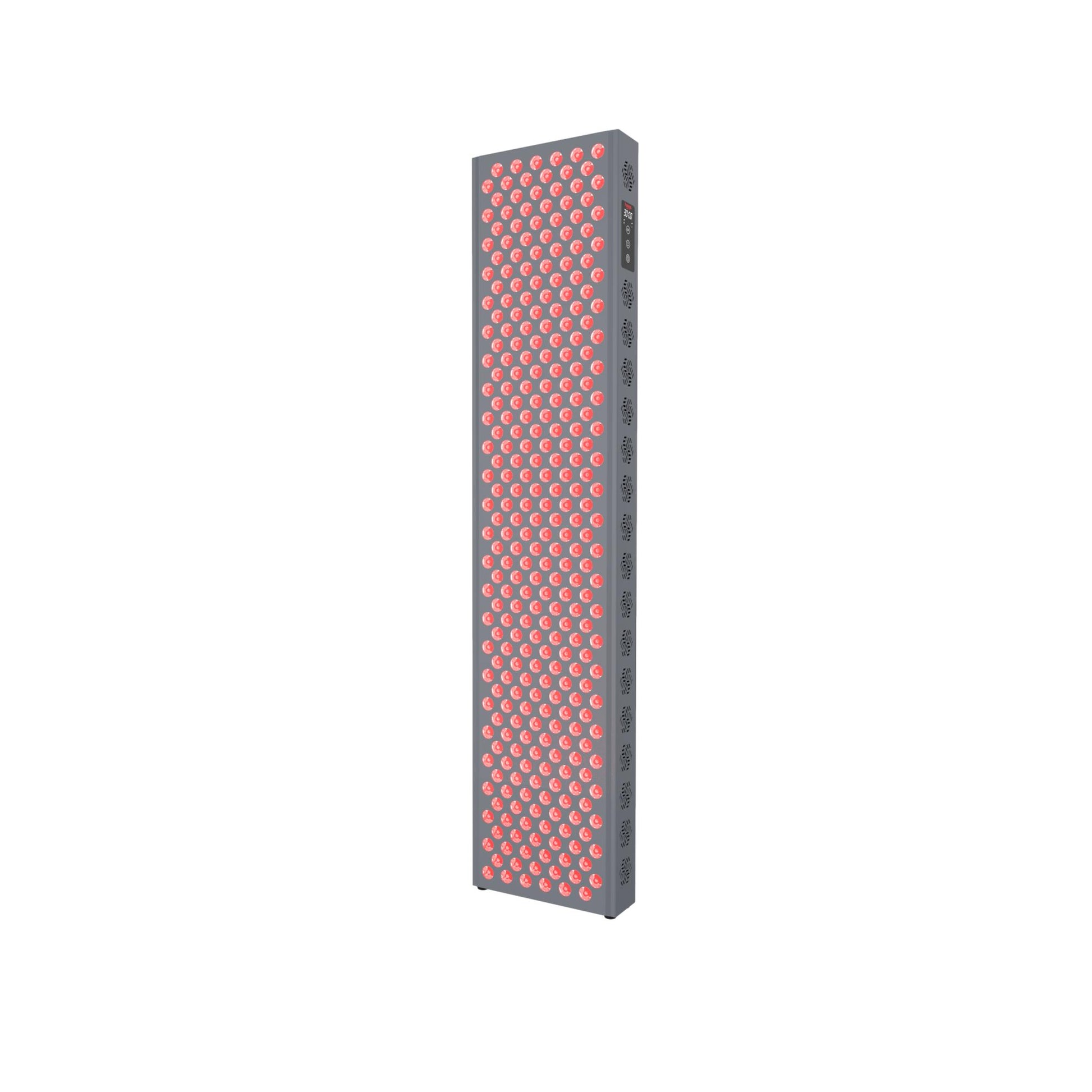
Hooga PRO1500
A larger Hooga panel for buyers who prefer straightforward 660/850 nm operation and a lower current list price.
$1,199
- 300 dual-chip LEDs
- 660 and 850 nm
- Large-area panel with simple red/NIR controls
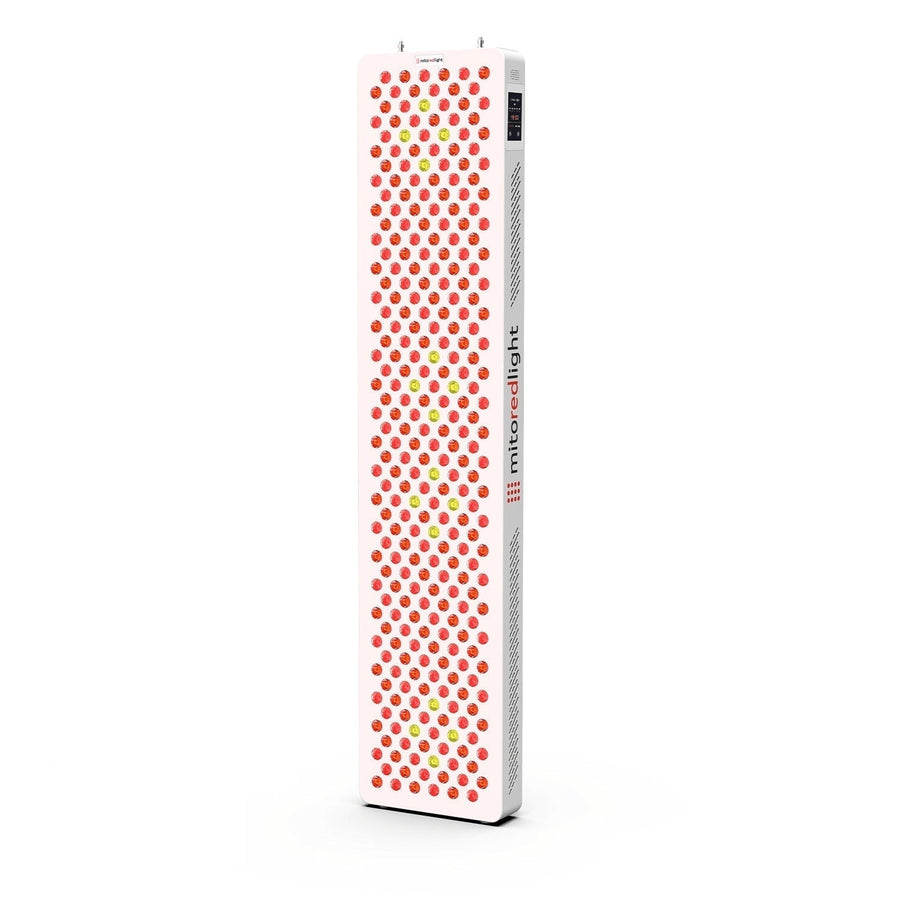
MitoPRO 1500X
The larger MitoPRO X model adds six wavelengths and the full touchscreen/app control system.
$1,299
- 300 lenses / 600 LED chips
- Six wavelengths
- Full-body-oriented PRO X model
Are Mito’s Extra Wavelengths Worth Paying For?
Mito has a hardware advantage if you specifically want 590 or 830 nm, because Hooga ULTRA’s four-wavelength set does not include them.[1][3]
But this is where the buying question needs discipline. More wavelengths are not proof that a panel will produce better outcomes for every user. Wavelength count tells you what the hardware emits; it does not by itself establish medical or performance superiority.
If you do not have a specific reason to prioritize the additional bands, paying extra solely because six is more than four is a weak decision rule.
Can You Compare the Irradiance Numbers Directly?
No—not unless the figures were produced with comparable measurement methods. This is one of the most important points in the entire comparison.
Hooga lists the ULTRA750 at 161 mW/cm² at six inches.[3] Mito lists the 750X above 160 mW/cm² on a consumer-level meter and above 70 mW/cm² using professional spectroradiometer testing.[1]
If someone compares Hooga’s 161 directly with Mito’s professional 70 figure, Mito appears dramatically weaker. But that mixes different instruments. An independent comparison focused on this issue notes that Hooga’s published figure aligns with the consumer-meter side of Mito’s reporting, not the spectroradiometer figure.[5]
So do not choose a winner from the biggest headline mW/cm² number. For a meaningful comparison, look for numbers measured under comparable conditions and with comparable equipment.
Does Panel Size Matter More Than Extra Features?
Sometimes. If your setup requires broader coverage, putting the budget toward panel size may matter more than adding features you will rarely use.
If you only need targeted use, however, a larger panel may add cost without solving your requirement. Treat both size and features as trade-offs, not automatic upgrades.
Before choosing, ask: Do I need more coverage, or do I need more control and wavelength flexibility? That question is more useful than comparing feature totals.
What Should You Know About Returns and Warranty?
Both brands currently give buyers a 60-day return window, and the discussed panel lines carry three-year warranty coverage.[1][2][6]
Hooga requires eligible returns in the same condition and original packaging; U.S. return shipping is deducted from the refund. Mito also requires original packaging, charges no restocking fee under its current policy, and may require the buyer to cover return shipping unless eligible protection was purchased.[2][6]
Practical takeaway: keep the original packaging until you know the panel size and setup work for you. A 60-day policy does not necessarily make a large-panel return free.
Who Should Choose Hooga?
Hooga makes more sense when price, straightforward red/NIR functionality, or keeping the purchase simple matters more than having the broadest wavelength set.
- Choose the ULTRA360 if you want a compact four-wavelength option at a lower current list price than the 300X.
- Consider the PRO1500 if you want a larger two-wavelength panel and would rather save the current $100 difference versus the 1500X.
- Do not choose Hooga automatically for “value” without checking the exact size; the ULTRA750 currently costs more than MitoPRO 750X.
Who Should Choose Mito?
Mito makes more sense when the six-wavelength mix, app/touchscreen controls, and dual-method irradiance reporting are features you actually value.
- Choose the 300X if its extra wavelength flexibility is worth roughly $50 more than the ULTRA360 at current list prices.
- Give the 750X serious attention because it is currently listed below the ULTRA750 while retaining the PRO X feature set.
- Consider the 1500X if the additional wavelength/control options justify the $100 difference over Hooga PRO1500.
If you already know you want Mito and are choosing within its lineup, our Mito Red Light panels review compares the broader range. If your decision is specifically between the two smaller PRO X sizes, see our MitoPRO 300X vs 750X comparison.
Final Verdict: Hooga or Mito?
For compact value, Hooga ULTRA360 has the lower current price. Mid-size, MitoPRO 750X has the stronger price position. Larger, Hooga PRO1500 is cheaper while MitoPRO 1500X offers broader wavelength and control flexibility.
So the decision should not be “Hooga is cheaper” or “Mito has more features.” Instead, match the panel size first, then decide whether the extra wavelengths, controls, and measurement transparency are worth the actual price difference in that matchup.
That is the buying decision: pay for the differences you will use, not for the longest specification list.
Compare the Final Options
Hooga ULTRA360
Compact four-wavelength option with advanced controls.
$399
MitoPRO 300X
Compact six-wavelength option with app and touchscreen controls.
$449
Hooga ULTRA750
Mid-size four-wavelength panel with ULTRA controls.
$799
MitoPRO 750X
Mid-size six-wavelength panel that currently undercuts ULTRA750.
$749
Hooga PRO1500
Larger 660/850 nm panel with the lower current price.
$1,199
MitoPRO 1500X
Larger six-wavelength model with full PRO X controls.
$1,299
FAQ
Is Mito always more expensive than Hooga?
No. Currently, MitoPRO 750X is below Hooga ULTRA750, while Hooga is cheaper in the compact and larger matchups.
Should I choose the panel with the higher irradiance number?
Not from the headline number alone. Compare the measurement instruments and conditions before treating the larger number as evidence of stronger output.
Sources & References
-
Mito Red Light — MitoPRO X Series
Supports current PRO X prices, six wavelengths, model sizes, controls, warranty, trial period, and dual irradiance reporting.
View source -
Hooga — ULTRA360 Product Page / Returns & Refunds
Supports ULTRA360 price/specifications and Hooga return conditions.
View product -
Hooga — ULTRA750 Product Page
Supports ULTRA750 price, wavelengths, controls, LEDs, and published irradiance.
View source -
Hooga — PRO1500 Product Page
Supports PRO1500 price, wavelengths, LEDs, warranty, and return window.
View source -
Recovery Room Lab — Hooga vs Mito Red Light
Independent editorial comparison explaining why consumer-meter and spectroradiometer irradiance figures should not be mixed.
View source -
Mito Red Light — Refund Policy
Supports 60-day trial, original-packaging requirement, no restocking fee, return-shipping conditions, and warranty terms.
View source
 ✓